A quieter way to live
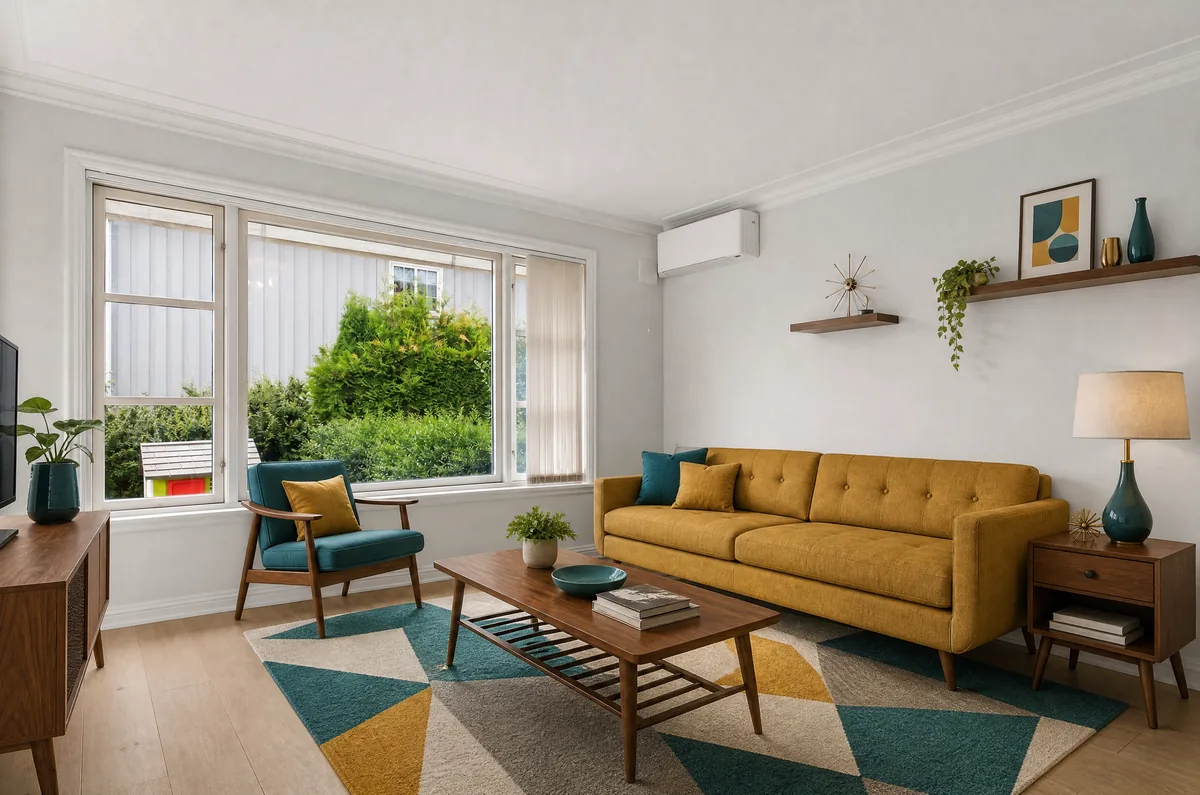
Mid-century
Living Room. Warm walnut and expressive shapes.
AI-generated example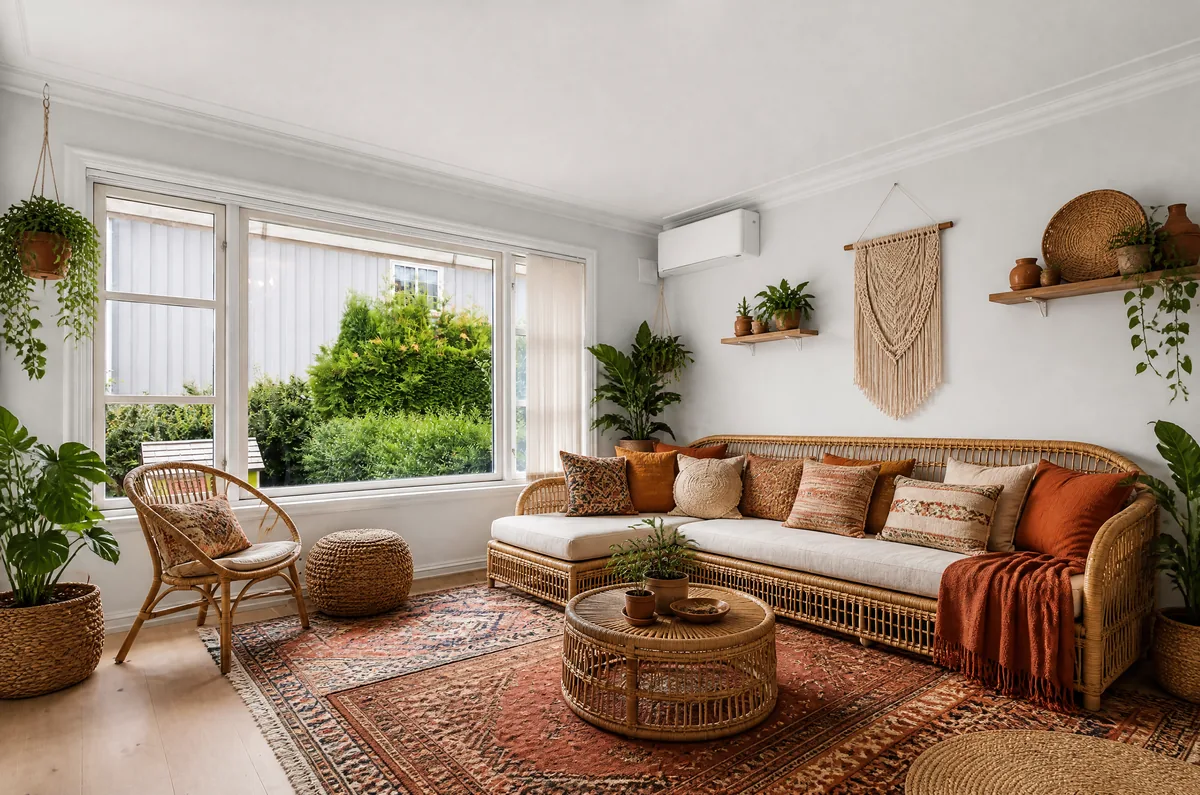
Boho
Living Room. Woven textures and layered color.
AI-generated example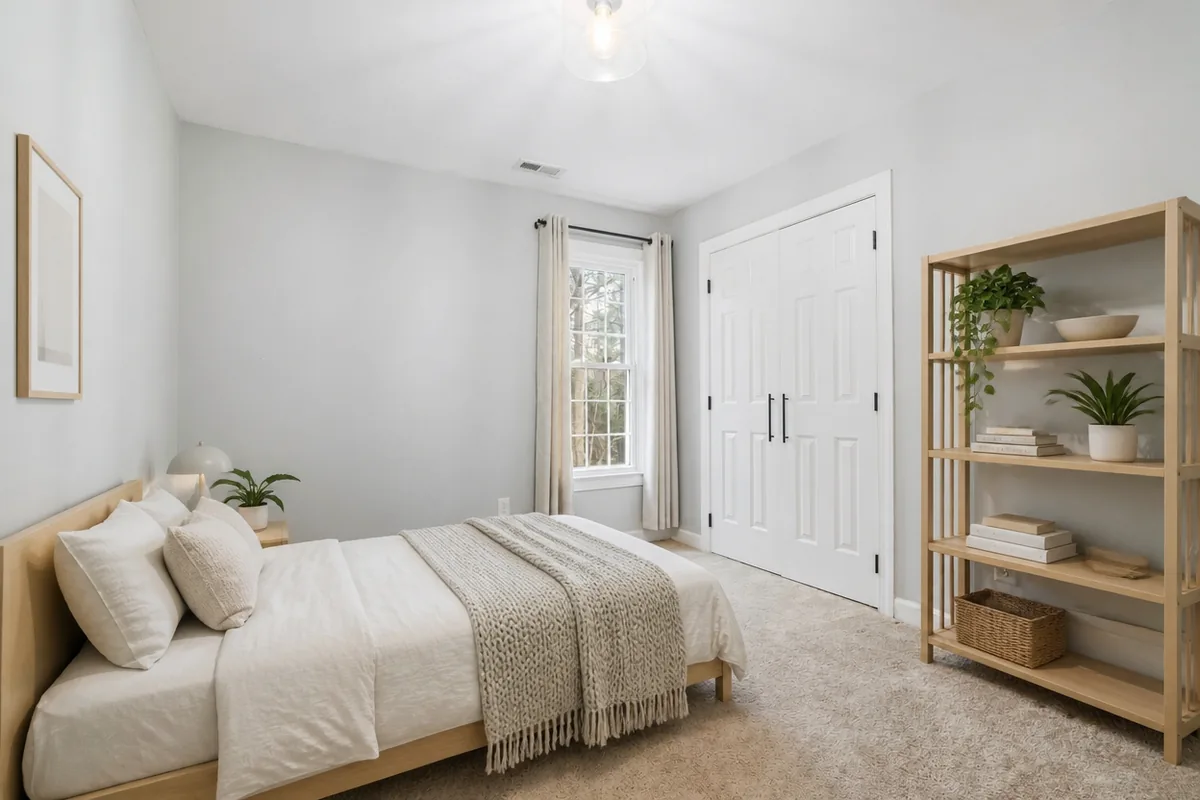
Scandinavian
Bedroom. Light oak and soft linen.
AI-generated exampleSee it in your space
Upload a room photoCompare four visual directions from one room photo, starting with one free watermarked image without account registration or a card. Our Room Pack costs $4.99 once for twenty images, with no subscription. Use the comparison for inspiration, then verify real dimensions separately.
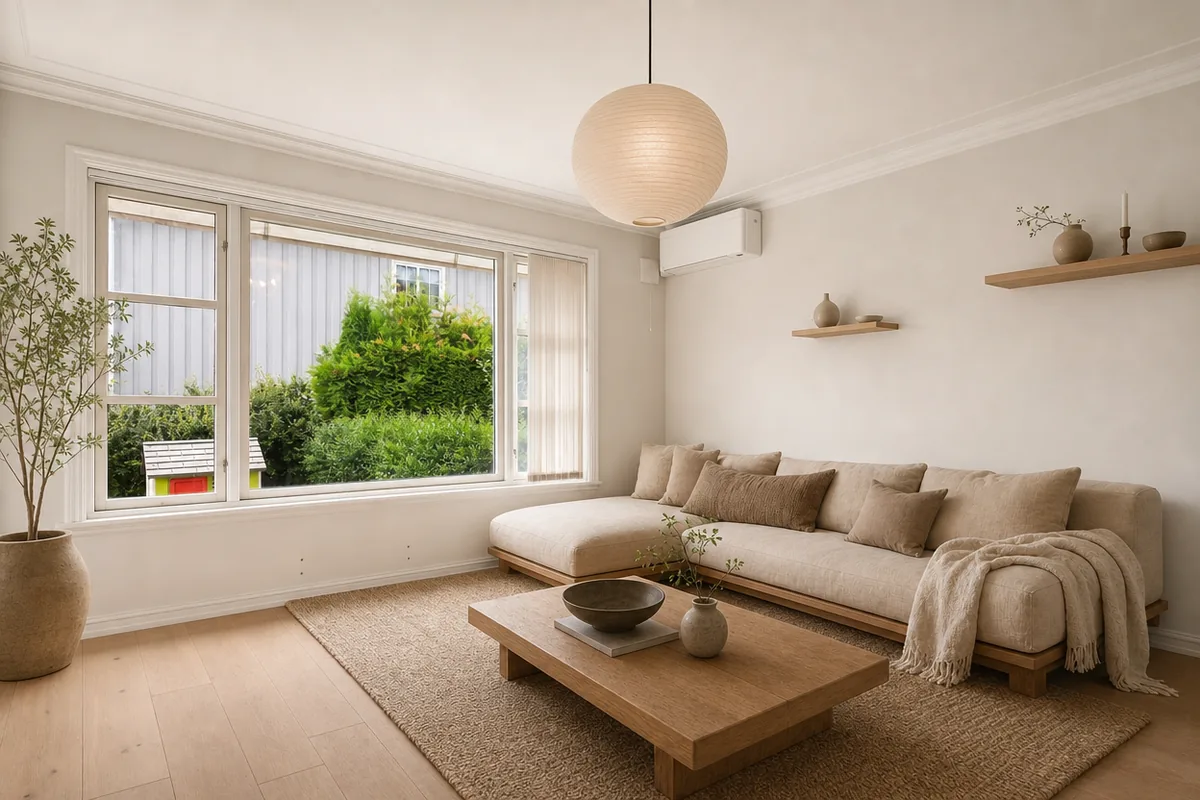
What is the Japandi starting point here?
The Japandi starting point combines restrained forms with a comfortable warm palette. Low timber furniture, soft textiles and quiet surfaces create a comparison that focuses on visual calm. This is a broad editorial description rather than a complete account of Japanese or Scandinavian design.
Use it to discover specific relationships you appreciate, such as a low table beside a textured rug, without assuming every room needs to follow the same formula.
Does Japandi require a beige room?
No: beige is one possible background, not a rule that excludes your existing colors. Contrast can come from dark timber, an ordinary green plant or a deeper textile. Examine whether the result has enough distinction between surfaces to remain comfortable and legible.
A model may blend everything into a soft haze; judge the actual forms as well as the mood. Test real samples under the light you use most often.
How should I evaluate low furniture?
Evaluate low furniture against comfort, accessibility and everyday use before its appearance. A lower seat can change the visual balance of a room but may not suit every person who lives there. Measure seat height and try a real example where possible.
The picture does not demonstrate how easily someone can stand, reach a lamp or move around the table. Preserve furniture that works for your household even if it differs from the generated suggestion.
Can I use this style in a busy family space?
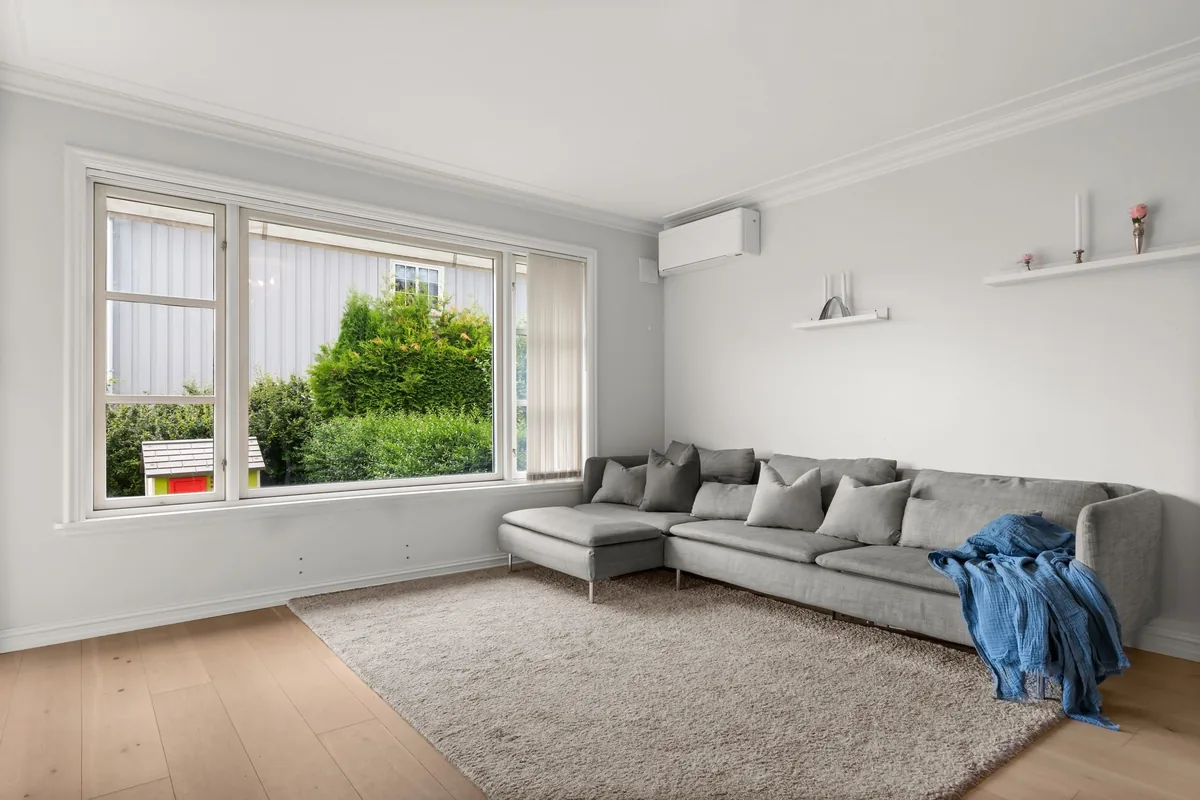
Yes, as a source of selective ideas rather than a demand for empty surfaces. Closed storage, washable textiles and a few calm material relationships can be more useful than a perfectly sparse render. Notice what the model removed from your photograph and decide where those real possessions would go.
If the image only feels peaceful because it erased daily life, translate it into better storage and simpler arrangements instead of chasing an impossible level of tidiness.
What makes a natural texture believable?
Believable texture depends on material scale, lighting and wear. A generated wood grain or plaster surface can look convincing while repeating in impossible ways. Use the image to discuss broad relationships, then inspect real samples for touch, maintenance and suitability.
Paper-inspired lighting also needs proper product specifications and safe installation. No material seen in a render should be treated as a tested construction system or an identified purchasable object.
How do I compare Japandi with Minimalist?
Compare the warmth and layering rather than counting objects. Japandi often keeps more tactile softness, while a minimalist direction may reduce competing elements further. Hold the source photo steady, inspect architecture first and then decide which arrangement supports your daily routine.
You can take one lighting idea from a version and a textile relationship from another. The comparison is intended to clarify your preferences, not force a single permanent label.
A few things to know
Is the first image free and does it need an account?
The intended live flow includes one watermarked image without account registration or a card. Email and verification protect the allowance.
What does Room Pack include?
Room Pack contains twenty image credits for a one-time $4.99 payment. It has no subscription or credit expiry. Each new standard or HD image uses one credit.
Can these images establish measurements or building feasibility?
No. A photograph and a generated comparison cannot replace dimensions, site information or appropriate professional advice. Check fixed openings and room proportions against the original before using a result as visual inspiration.
How are photos handled?
The browser re-encodes the complete frame without cropping and removes embedded location metadata. Stored inputs and results are private and expire after thirty days. Remove visible personal details and people from the scene before uploading.
What happens if an image is rejected or a pack is unused?
A confirmed failed or rejected generation returns its credit once. Fully unused packs are refundable within seven days; partly used packs do not qualify for that refund.
What happens to my photo?
The whole photo is retained and location metadata is removed. Personal redesigns, when available, use private storage with a 30-day expiry; existing examples do not transform your upload.