Picture the possibilities
Sample placeholders show the comparison layout. Real project photos and generated results are still being prepared.
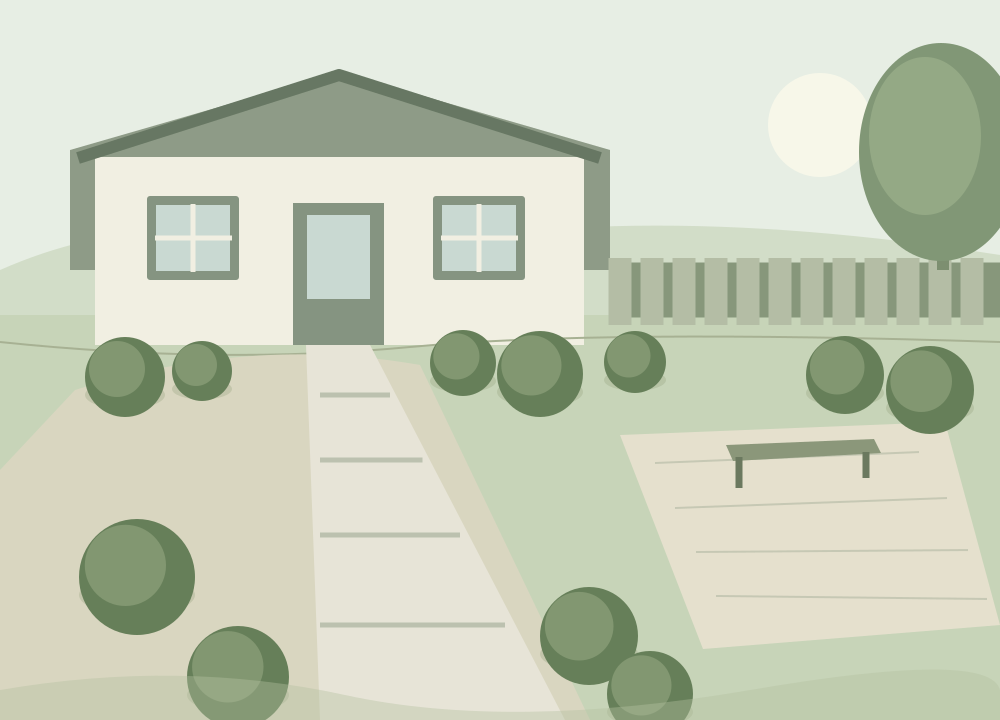
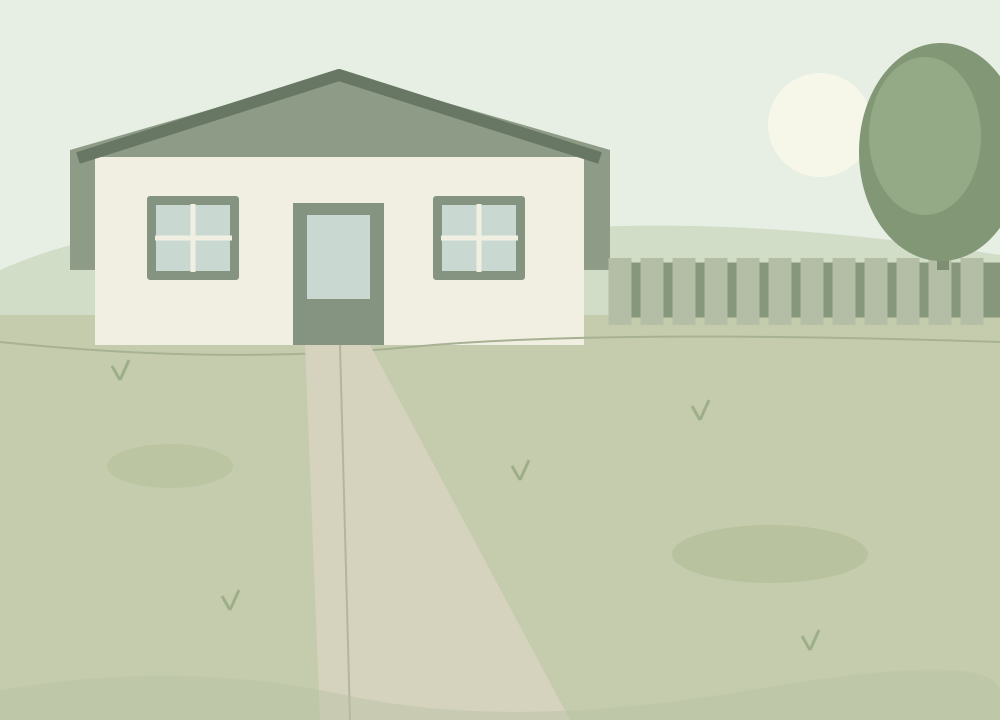
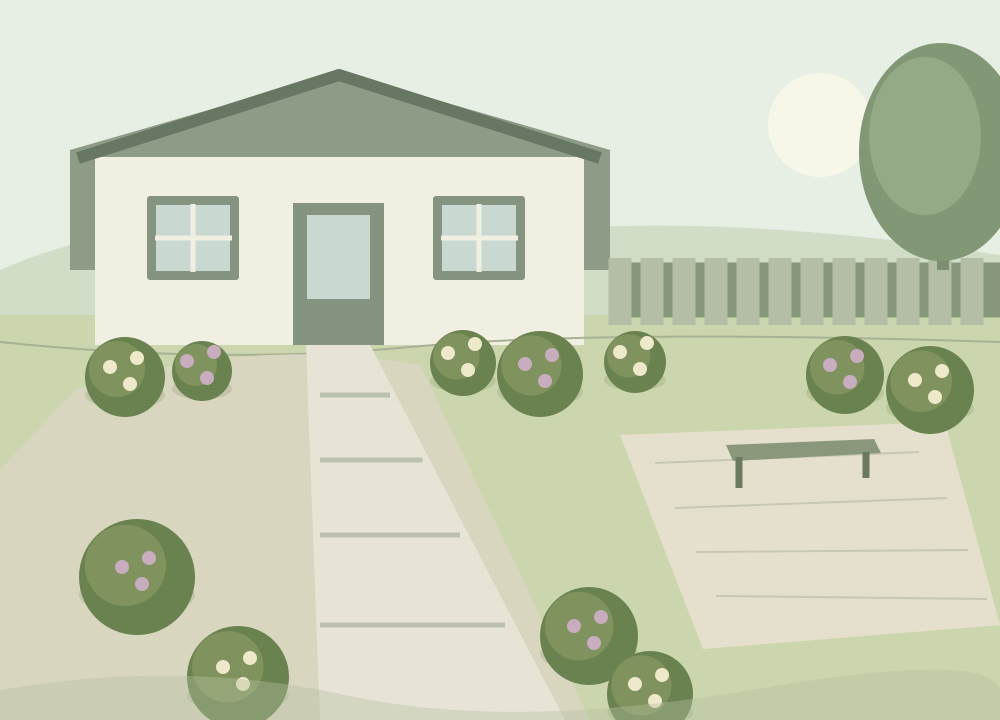
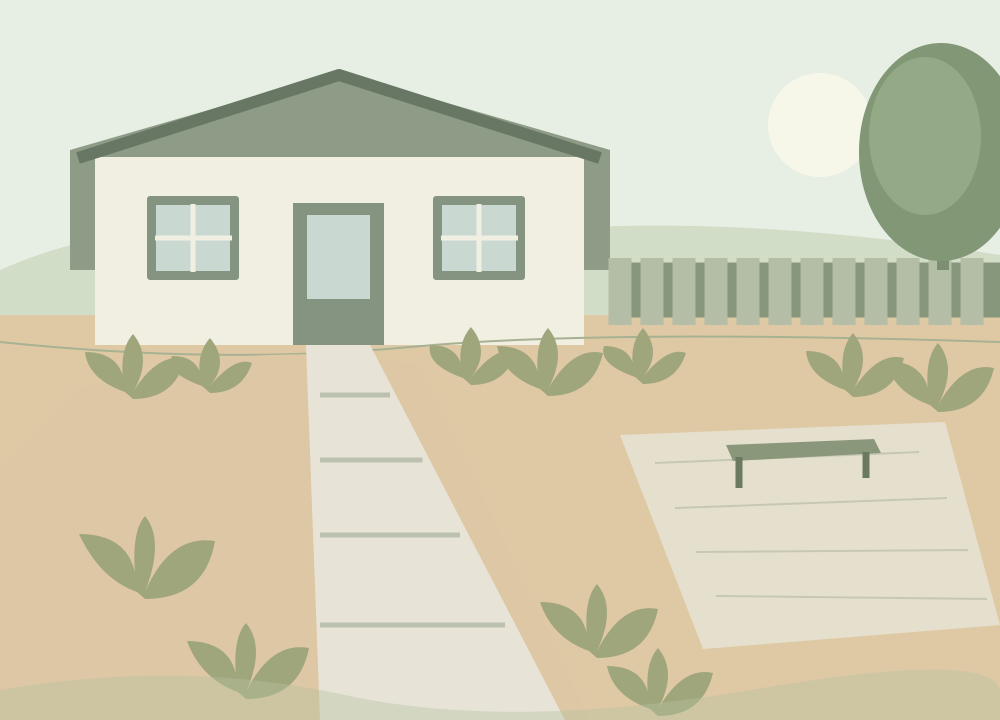
Give the garden a clear purpose
Begin with the activity that would make you use the garden more often. A place to drink coffee, watch birds from a window, cut flowers, or spend time with children produces a different brief from a garden designed mainly for privacy. Choose a primary purpose and one supporting purpose. Put them in a short sentence that can be read beside any concept you consider.
Decide where that experience will happen. A flower border visible from the kitchen may matter more than a remote feature at the property line. A bench needs both a view and a comfortable approach. If you are planning a productive area, separate the practical needs of reaching, watering, and harvesting from the ornamental composition around it. The design should support the routine you actually want to keep.
Make a record of growing conditions
Walk the site at different times and mark where direct light reaches the soil, where buildings cast shade, and where water lingers after rain. Record existing plants worth keeping and the places where previous planting has struggled. These observations form a more useful brief than describing the whole property as simply sunny or shady. Revisit them when the season changes because the pattern can shift.
Check winter hardiness through the USDA map, then investigate the specific conditions the zone number does not describe. A sheltered courtyard, exposed slope, and wet hollow can share a map label while presenting very different choices. For difficult soil or persistent drainage trouble, obtain local guidance before choosing a remedy. A concept should make room for those constraints instead of disguising them with dense greenery.
Compose with plant roles before choosing varieties
Sketch the framework first: a taller backdrop, a middle layer that gives the bed substance, and a lower edge that meets a path or lawn. These are design roles, not a required shopping list. A small garden may need only two layers, while a view seen from both sides needs a different arrangement from a border against a wall. Leave enough room to reach and maintain the planting.
Choose a limited group of compatible plants to repeat through the bed. Use a contrasting leaf shape, flower form, or seasonal feature where you want attention. Repetition is a useful option when a collection of individual favorites feels disconnected. Resist adding another variety merely because an image has an empty spot; that space may belong to a plant that has not reached its eventual width.
Judge the garden beyond peak bloom
Make separate notes for early growth, summer fullness, autumn change, and the quieter winter view. Ask what remains when flowers finish. A garden can still feel intentional through branching, seedheads where appropriate, evergreen foliage, or the shape of its paths. You do not need every plant to be interesting in every month, but the overall composition should offer something worth noticing from the places you use most.
Compare the picture with your appetite for maintenance. A display that relies on frequent replacement, staking, division, or detailed pruning may suit an enthusiastic gardener and frustrate someone with limited time. Write those tasks beside the proposed plants before committing. Consider a smaller, well-tended bed if the larger version would require more care than the household can reliably give.
Turn the concept into a useful planting conversation
Take a chosen concept to a nursery or local horticultural adviser with your site notes, rather than asking for every plant that seems to appear in the image. Discuss the intended roles and ask for locally suitable choices. Confirm botanical names and cultivars because similar common names can describe plants with different habits. Check local invasive-species guidance before accepting a replacement simply because it is widely sold.
The examples on this page illustrate a planning format, and the future design tool is still coming soon. Use this stage to settle the bed outline, the desired seasonal rhythm, and the level of care you accept. Before installation, draw mature plant footprints on a measured plan and prepare an establishment routine. A garden grows over time; the strongest concept leaves that growth room to happen.
Plant candidates for zone 7b
This illustrative shortlist assumes zone 7b. These are climate-filtered candidates, not a planting prescription. Check sunlight, drainage, mature size, and local invasive-species guidance. Style matches are editorial suggestions.
| Plant | Type | USDA zones | Light | Mature height |
|---|---|---|---|---|
| Blue FescueFestuca glauca | Grass | 4–8.5 | full sun, partial shade | 0.75–1 ft1–1.5 ft wide |
| Feather Reed GrassCalamagrostis x acutiflora | Grass | 4–11.5 | full sun, partial shade | 3–5 ft1–2 ft wide |
| Japanese Forest GrassHakonechloa macra | Grass | 5–9.5 | partial shade, full shade | 1–1.5 ft1–2 ft wide |
| Creeping PhloxPhlox subulata | Groundcover | 3–9.5 | full sun | 0.3333–0.5 ft2–3 ft wide |
| Creeping PhloxPhlox stolonifera | Groundcover | 4–8.5 | full sun, partial shade, full shade | 0.5–1 ft0.75–1.5 ft wide |
| Creeping ThymeThymus serpyllum | Groundcover | 4–9.5 | full sun | 0.1667–0.25 ft0.25–0.8333 ft wide |
| American AlumrootHeuchera americana | Perennial | 4–9.5 | full sun, partial shade | 1–3 ft1–1.5 ft wide |
| Anise HyssopAgastache foeniculum | Perennial | 4–8.5 | full sun, partial shade | 3–5 ft1.5–3 ft wide |
| August LilyHosta plantaginea | Perennial | 3–9.5 | full sun, partial shade, full shade | 1–2 ft3–4 ft wide |
| American BeautyberryCallicarpa americana | Shrub | 6–10.5 | full sun, partial shade | 3–8 ft3–6 ft wide |
| Arrowwood ViburnumViburnum dentatum | Shrub | 2–8.5 | full sun, partial shade | 5–10 ft6–10 ft wide |
| Bigleaf HydrangeaHydrangea macrophylla | Shrub | 6–11.5 | partial shade, full shade | 3–6 ft3–6 ft wide |
| Downy ServiceberryAmelanchier arborea | Tree | 4–9.5 | full sun, partial shade | 15–25 ft10–15 ft wide |
| Eastern RedbudCercis canadensis | Tree | 4–9.5 | full sun, partial shade | 20–30 ft25–35 ft wide |
| Flowering DogwoodCornus florida | Tree | 5–9.5 | full sun, partial shade | 15–25 ft15–30 ft wide |
| Sweetbay MagnoliaMagnolia virginiana | Tree | 5–10.5 | full sun, partial shade | 10–35 ft10–35 ft wide |
Zone numbers ending in .5 mean the b half-zone; whole numbers mean the a half-zone. A matching cold range does not guarantee local suitability. Missing facts are shown as not verified.
A rough material budget, made visible
Illustrative 400 sq ft yard: 200 sq ft of mulched beds, 80 sq ft of paving, and 120 sq ft retained. Plant quantities below are example assumptions. This is a worked example; get local quotes for your own project.
| Material | Quantity | Unit range | Subtotal |
|---|---|---|---|
| 1-gallon perennial | 12 plants | $8–$15 | $96–$180 |
| 3-gallon shrub | 4 plants | $25–$45 | $100–$180 |
| Mulch | 200 sq ft | $0.20–$0.60 | $40–$120 |
| Paving material | 80 sq ft | $1–$25 | $80–$2,000 |
| Illustrative total | $316–$2,480 | ||
Rough estimate, not a quote. Excludes labor, tax, delivery, demolition, soil preparation, permits, and irrigation. Supplied planning ranges have not been independently price-verified for your location. Plant-price reference · Material-price reference. Confirm current supplier quotes before purchasing.
Questions about ai garden design
Is AI garden design suitable for a tiny planting bed?
It can help explore a planting composition, but the bed still needs measurements and a mature-size check. In a small space, deciding which plants to omit is often as useful as adding new ones.
Does this page provide a personalized planting plan?
No. The plant table is an illustrative example selected from the site library. It does not replace checking the conditions, exact cultivars, and local suitability in your garden.
Should I choose a garden style before selecting plants?
Choose the experience and growing conditions first. A style can guide form, texture, and materials, while the final plant choices must still suit the site.
How can I avoid a garden that only looks good in summer?
Review the same view across the seasons. Plan for structure, foliage, and useful paths as well as flowers, and note when each proposed plant contributes.
Can I upload a garden photo on this version of the site?
The photo tool is coming soon. For now, prepare a clear photo, measurements, and notes about light, water, and the plants you want to keep.
Sources and further reading
Original editorial guide. Examples are illustrative; check site-specific conditions with your local extension service.