Picture the possibilities
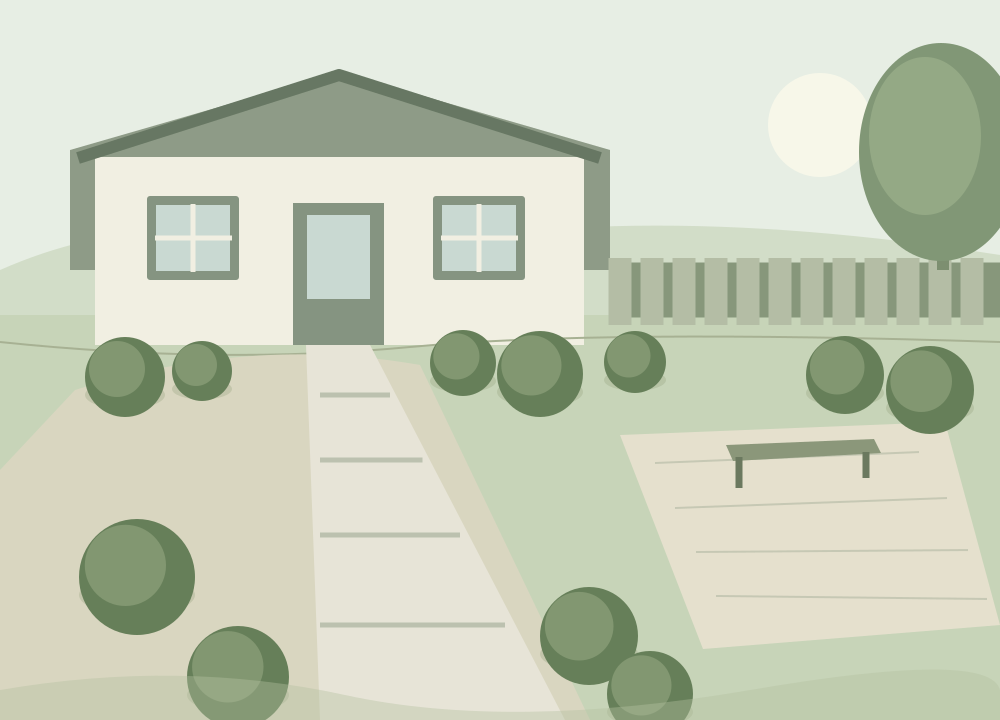
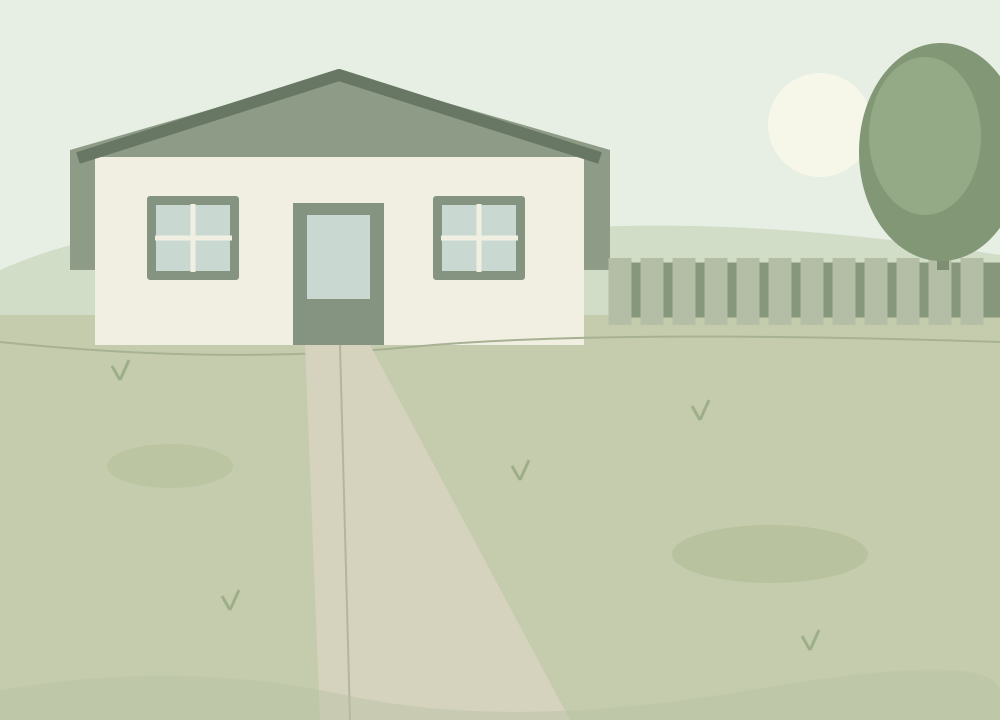
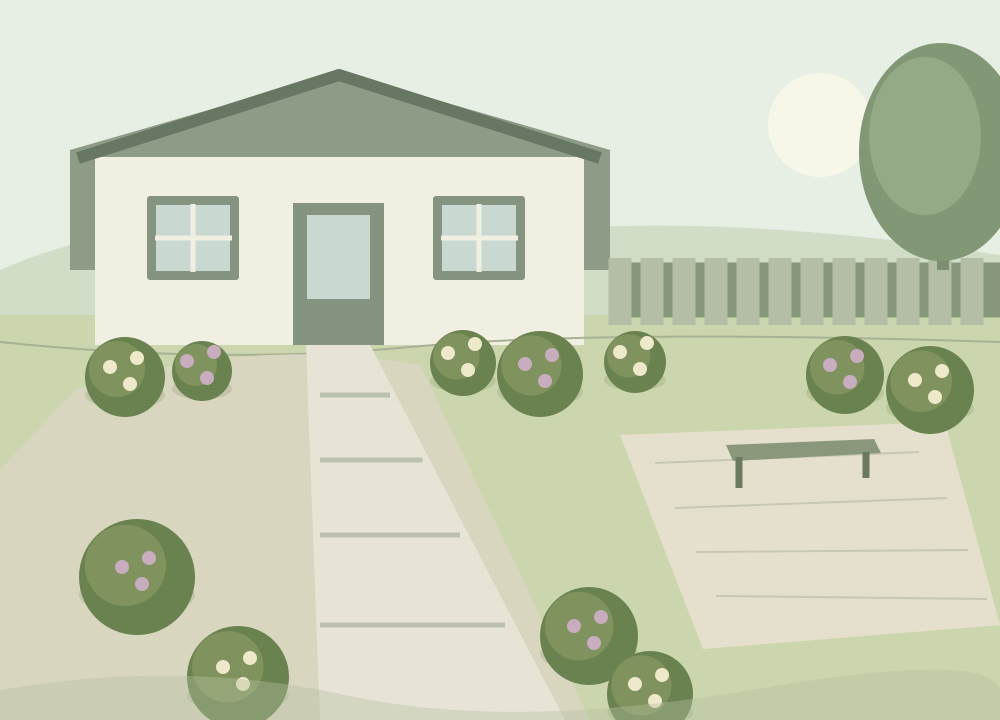
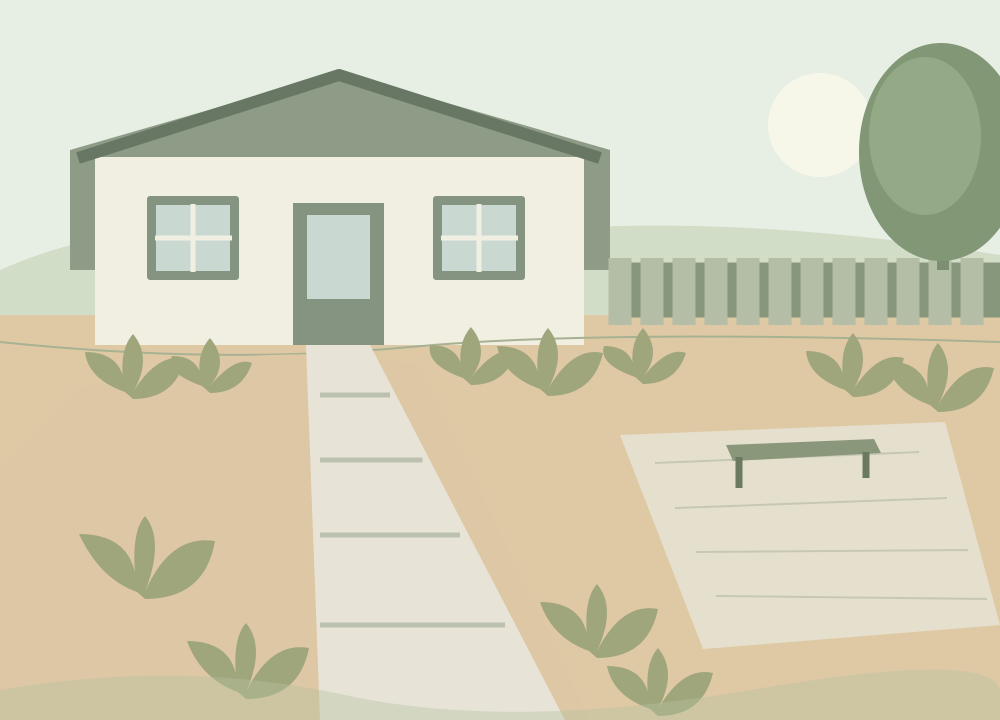
Sample placeholders show the comparison layout. Real project photos and generated results are still being prepared.
Look up the place where the plants will grow
Use the official map's ZIP search to reach the area, then examine the actual location on the interactive map. A postal area can contain varied terrain and local conditions, so the broader ZIP label is a starting point. Keep the result with your garden notes and record which version of the map you used. That makes later comparisons with nursery information easier to explain.
For a new garden, write down the zone before making a shopping list. For an established garden, also record plants that have performed well or poorly in different parts of the property. Those observations do not replace the map, but they help you ask better local questions. A sheltered wall and an exposed corner may deserve different choices even when the map gives them the same label.
Understand what the number and letter describe
The 2023 USDA map uses the average of annual extreme minimum winter temperatures over 1991 through 2020. The numbered zones cover ten-degree Fahrenheit bands, and the letters divide those bands into five-degree halves. The a half is colder than the b half of the same numbered zone. This is a reference for winter cold, rather than a description of typical daily weather.
Keep the word average in mind when reading a label. The map is based on a long record, while a particular winter can differ from that record. A nursery's listed hardiness range should therefore be one part of a plant decision. Check the exact species or cultivar and discuss borderline choices with knowledgeable local growers, especially when a long-lived tree or major screen is involved.
Add the conditions a zone cannot tell you
Make a separate record for direct light, summer heat, soil texture, drainage, wind, and available water. The same zone can occur in places with different rainfall patterns and growing conditions. A plant can meet the winter-cold criterion while still being a poor fit for a wet bed, hot reflected exposure, or deeply shaded corner. The site description supplies those missing pieces.
Distinguish a seasonal annual from a perennial you expect to return or remain for many years. Your intended use changes the decision. A tender plant might be appropriate as a seasonal container display if you accept that routine, while it would be a poor choice for a permanent screen expected to remain outdoors. Describe the role before comparing labels so you are comparing like uses.
Read a plant shortlist as a set of candidates
The zone pages on this site display plants whose recorded hardiness ranges include the selected zone. That filter narrows the library; it does not determine which plants belong together or which are appropriate for every location within the zone. Review the light and mature-size columns, then check the local nursery or extension information for the precise plants you are considering.
Keep a shortlist organized by function. A shade tree, privacy shrub, flowering perennial, and ground-level plant solve different problems. Remove candidates that cannot fit the available space before comparing colors or flowers. Also check regional invasive-species guidance and any household-specific requirements. A short list of well-matched options is easier to turn into a useful garden than a long list connected only by a zone number.
Use the result to make the next decision clearer
Bring the map result, site observations, and a measured sketch to a planting conversation. Ask which candidates are dependable in your local conditions and what establishment care they need. If your location sits near a boundary, discuss the actual exposure and the consequence of losing a borderline plant rather than treating the letter as an absolute pass-or-fail prediction.
Review the shortlist when the design changes. Moving a plant from an open bed to a container, or from morning light to a reflected afternoon exposure, changes the growing situation even though the postal address stays the same. The planned design workflow will use zone information as one input. For now, the official map and the guide pages can help you prepare a clearer, more complete brief.
Plant candidates for zone 7b
This illustrative shortlist assumes zone 7b. These are climate-filtered candidates, not a planting prescription. Check sunlight, drainage, mature size, and local invasive-species guidance. Style matches are editorial suggestions.
| Plant | Type | USDA zones | Light | Mature height |
|---|---|---|---|---|
| Blue FescueFestuca glauca | Grass | 4–8.5 | full sun, partial shade | 0.75–1 ft1–1.5 ft wide |
| Feather Reed GrassCalamagrostis x acutiflora | Grass | 4–11.5 | full sun, partial shade | 3–5 ft1–2 ft wide |
| Japanese Forest GrassHakonechloa macra | Grass | 5–9.5 | partial shade, full shade | 1–1.5 ft1–2 ft wide |
| BearberryArctostaphylos uva-ursi | Groundcover | 3–7.5 | full sun, partial shade | 0.5–1 ft3–6 ft wide |
| Cloud-loving Hardy Ice PlantDelosperma nubigenum | Groundcover | 6–9.5 | full sun, partial shade | 0.1667–0.25 ft0.75–3 ft wide |
| Creeping PhloxPhlox subulata | Groundcover | 3–9.5 | full sun | 0.3333–0.5 ft2–3 ft wide |
| Adam's Needle YuccaYucca filamentosa | Perennial | 4–10.5 | full sun, partial shade | 3–8 ft3–5 ft wide |
| American AlumrootHeuchera americana | Perennial | 4–9.5 | full sun, partial shade | 1–3 ft1–1.5 ft wide |
| Anise HyssopAgastache foeniculum | Perennial | 4–8.5 | full sun, partial shade | 3–5 ft1.5–3 ft wide |
| American BeautyberryCallicarpa americana | Shrub | 6–10.5 | full sun, partial shade | 3–8 ft3–6 ft wide |
| Arrowwood ViburnumViburnum dentatum | Shrub | 2–8.5 | full sun, partial shade | 5–10 ft6–10 ft wide |
| Bigleaf HydrangeaHydrangea macrophylla | Shrub | 6–11.5 | partial shade, full shade | 3–6 ft3–6 ft wide |
| American ArborvitaeThuja occidentalis | Tree | 3–7.5 | full sun, partial shade | 40–60 ft10–15 ft wide |
| American HollyIlex opaca | Tree | 5–9.5 | full sun, partial shade | 40–60 ft10–20 ft wide |
| Chinese JuniperJuniperus chinensis | Tree | 4–9.5 | full sun | 50–60 ft10–20 ft wide |
| Crape MyrtleLagerstroemia indica | Tree | 6–9.5 | full sun | 6–30 ft6–30 ft wide |
Zone numbers ending in .5 mean the b half-zone; whole numbers mean the a half-zone. A matching cold range does not guarantee local suitability. Missing facts are shown as not verified.
A rough material budget, made visible
Illustrative 400 sq ft yard: 200 sq ft of mulched beds, 80 sq ft of paving, and 120 sq ft retained. Plant quantities below are example assumptions. This is a worked example; get local quotes for your own project.
| Material | Quantity | Unit range | Subtotal |
|---|---|---|---|
| 1-gallon perennial | 12 plants | $8–$15 | $96–$180 |
| 3-gallon shrub | 4 plants | $25–$45 | $100–$180 |
| Mulch | 200 sq ft | $0.20–$0.60 | $40–$120 |
| Paving material | 80 sq ft | $1–$25 | $80–$2,000 |
| Illustrative total | $316–$2,480 | ||
Rough estimate, not a quote. Excludes labor, tax, delivery, demolition, soil preparation, permits, and irrigation. Supplied planning ranges have not been independently price-verified for your location. Plant-price reference · Material-price reference. Confirm current supplier quotes before purchasing.
Questions about planting zone by zip code
Where can I find my planting zone by ZIP code now?
Use the official USDA map linked in the sources on this page. Our own ZIP lookup is coming soon.
What is the difference between 7a and 7b?
They are the colder and warmer halves of zone 7. The map assigns each half a five-degree Fahrenheit band of average annual extreme minimum winter temperature.
Does a hardiness zone tell me how hot summer will be?
No. Check summer conditions separately using local guidance and observations, along with light, moisture, and soil.
Are planting zones the same as frost dates?
No. A hardiness zone summarizes winter temperature extremes over a reference period. Local frost timing is a separate consideration for seasonal planting decisions.
Does a plant listed for my zone automatically fit my garden?
The zone match is only an initial cold-hardiness check. Review the exact plant, mature dimensions, light, soil, water needs, and local suitability before choosing.
Sources and further reading
Original editorial guide. Examples are illustrative; check site-specific conditions with your local extension service.