Picture the possibilities
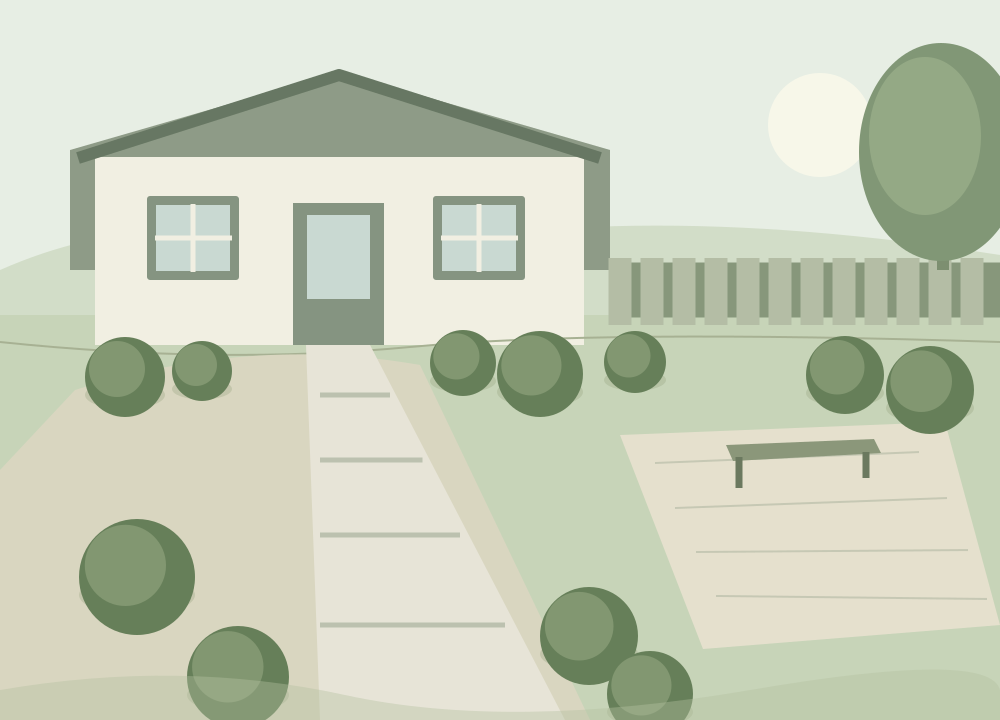
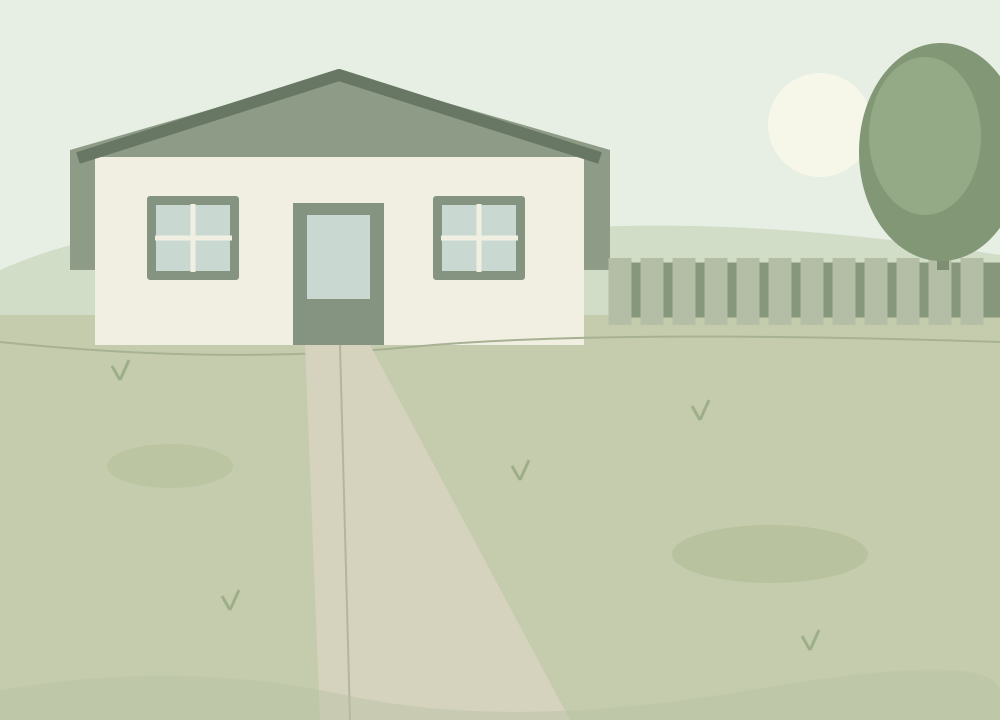
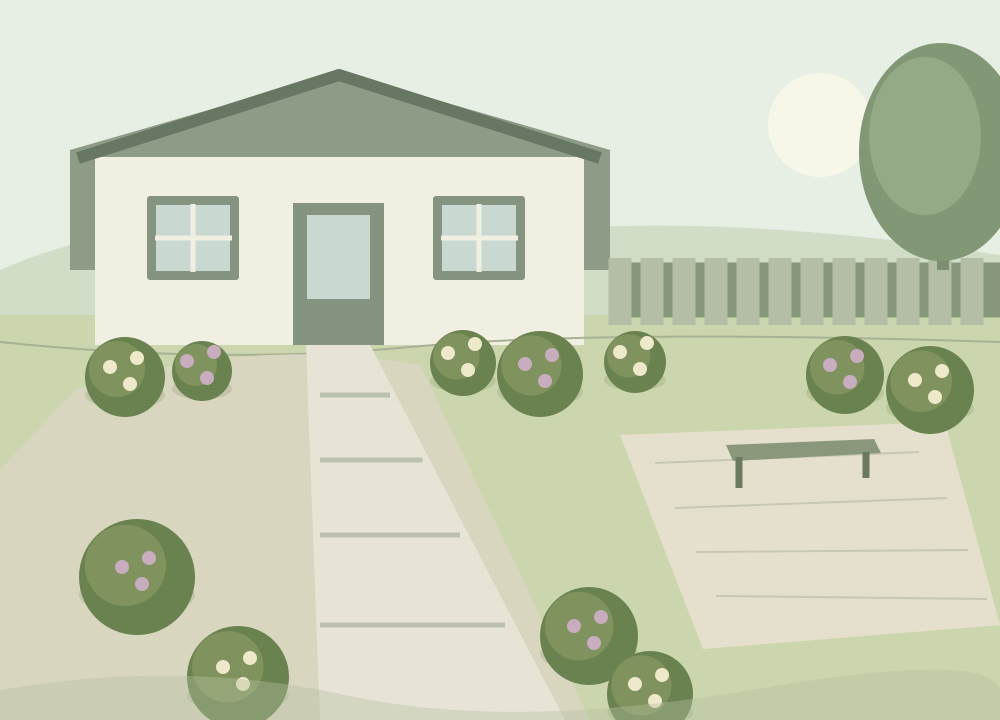
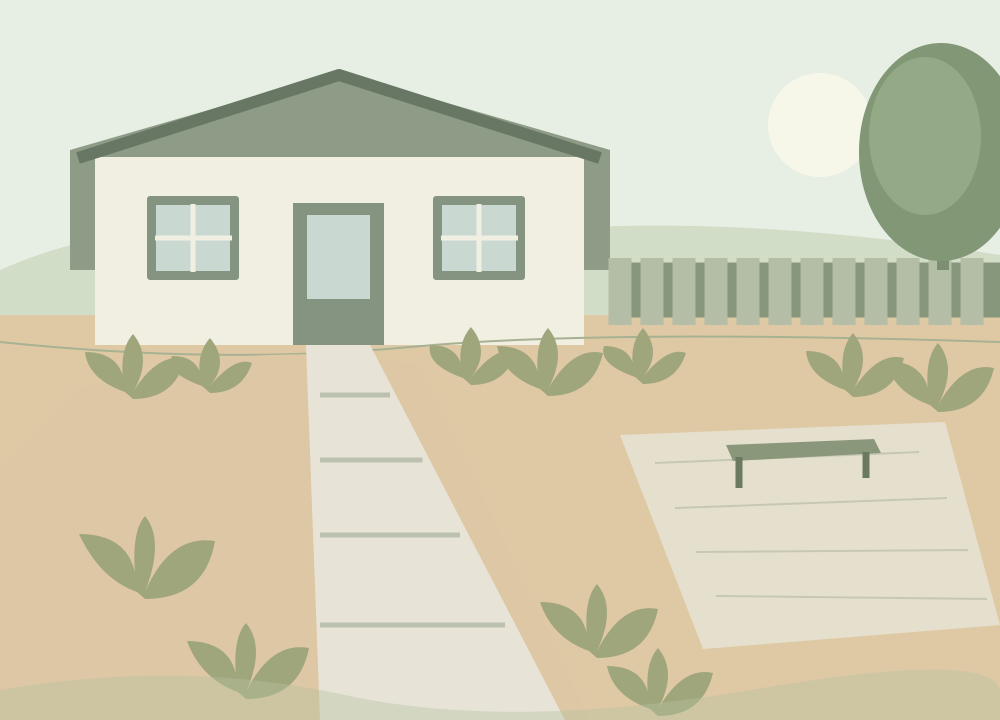
Sample placeholders show the comparison layout. Real project photos and generated results are still being prepared.
Define the result before setting a shopping list
Describe a finished first phase in everyday terms: a comfortable place for two people to sit, a tidy border visible from the kitchen, or a reliable route to the gate. A clear result helps you reject attractive purchases that do not contribute to it. Avoid dividing the available money among many disconnected projects if none will become usable at the end.
Record a spending ceiling that includes the work around the visible feature. Delivery, removal, tools, preparation, and ongoing care can matter as much as the plants or surface material. Treat unknown costs as unknown until you have a source, rather than assigning a reassuring number. The example budget on this page is a limited material scenario and does not establish what your own project will cost.
Inventory what can stay
Inspect existing furniture, paving, edging, and plants before planning a replacement. A sound chair in the right place or an established planting group can anchor a new layout. Separate items that need cleaning or repositioning from items that are unsafe, failing, or unsuitable. Reusing something is only helpful if it still serves the planned use; keeping every object can make the new arrangement harder to resolve.
Photograph the yard and mark the elements you intend to retain. Work outward from those fixed points. If an existing patio is usable but visually plain, planting around it may be a more focused first step than replacing the whole surface. Do not cover a drainage or structural concern with decoration. Investigate the underlying issue before spending on a finish that might later need to be removed.
Choose a first phase with a clean stopping point
A good phase can stand on its own. Complete one bed, one sitting area, or one route rather than leaving materials scattered across the entire yard. Draw how the next phase could connect, but avoid buying everything in advance unless storage and timing are settled. Plants waiting in containers and loose materials stored outdoors can create care or handling problems before the project even begins.
Consider a temporary arrangement when you are unsure how you will use the space. Move existing furniture, mark a bed outline, and live with the layout before committing to construction. This is a way to gather useful information, not a promise that temporary materials are suitable for every site. The trial should help you answer a specific question about placement, access, or scale.
Compare complete scopes, not attractive unit prices
When asking suppliers for prices, describe the same quantity, material specification, and delivery location. A lower unit price can be misleading if it refers to a smaller container, a thinner layer, or a different grade. Keep each quote with its date and exclusions. If you cannot tell what is included, resolve that uncertainty before treating two offers as comparable.
For planting, compare the expected role and mature size as well as the initial pot size. Smaller nursery stock may suit a patient project, but it can leave open soil and require a longer establishment period. Repetition of a few suitable plants can keep the design coherent as it develops. Do not buy an unfamiliar bargain plant without checking identity, condition, and local invasive-species guidance.
Keep future work and care visible
Write down what you are postponing and why. The next phase might involve shade, a more permanent surface, or a larger planting group after you have learned how the first area performs. Keep its connection points in mind so today's work does not block tomorrow's access. A phased approach is most useful when each decision preserves options instead of creating removal work later.
After completing a phase, review whether it changed how you use the yard. Notice the amount of watering, cleanup, and storage it requires. Save receipts and actual quantities so later estimates can use your own evidence. The current site cannot generate a personal design or quote, but the planning examples can help organize that record. Spending deliberately means knowing what a purchase will accomplish before it arrives.
Plant candidates for zone 7b
This illustrative shortlist assumes zone 7b. These are climate-filtered candidates, not a planting prescription. Check sunlight, drainage, mature size, and local invasive-species guidance. Style matches are editorial suggestions.
| Plant | Type | USDA zones | Light | Mature height |
|---|---|---|---|---|
| Feather Reed GrassCalamagrostis x acutiflora | Grass | 4–11.5 | full sun, partial shade | 3–5 ft1–2 ft wide |
| Pennsylvania SedgeCarex pensylvanica | Grass | 3–8.5 | full sun, partial shade, full shade | 0.0833–0.6667 ft0.0833–1 ft wide |
| Pink Muhly GrassMuhlenbergia capillaris | Grass | 5–9.5 | full sun | 2–3 ft2.3333–3 ft wide |
| BearberryArctostaphylos uva-ursi | Groundcover | 3–7.5 | full sun, partial shade | 0.5–1 ft3–6 ft wide |
| Cloud-loving Hardy Ice PlantDelosperma nubigenum | Groundcover | 6–9.5 | full sun, partial shade | 0.1667–0.25 ft0.75–3 ft wide |
| Green and GoldChrysogonum virginianum | Groundcover | 5–9.5 | partial shade, full shade | 0.0833–0.1667 ft1–2 ft wide |
| Christmas FernPolystichum acrostichoides | Perennial | 3–9.5 | partial shade, full shade | 1–3 ft1–3 ft wide |
| Devil's TongueOpuntia humifusa | Perennial | 4–9.5 | full sun | 0.5–1 ft1–1.5 ft wide |
| Purple ConeflowerEchinacea purpurea | Perennial | 3–8.5 | full sun, partial shade | 3–4 ft1–2 ft wide |
| Creeping JuniperJuniperus horizontalis | Shrub | 3–9.5 | full sun | 0.5–1.5 ft4–10 ft wide |
| Glossy AbeliaAbelia x grandiflora | Shrub | 6–9.5 | full sun, partial shade | 2.5–8 ft3–6 ft wide |
| InkberryIlex glabra | Shrub | 4–11.5 | full sun, partial shade | 5–10 ft5–8 ft wide |
| American HollyIlex opaca | Tree | 5–9.5 | full sun, partial shade | 40–60 ft10–20 ft wide |
| Eastern White PinePinus strobus | Tree | 3–8.5 | full sun, partial shade | 50–80 ft20–40 ft wide |
| Red MapleAcer rubrum | Tree | 2–9.5 | full sun, partial shade | 40–120 ft30–50 ft wide |
| Willow OakQuercus phellos | Tree | 5–9.5 | full sun, partial shade | 40–75 ft25–50 ft wide |
Zone numbers ending in .5 mean the b half-zone; whole numbers mean the a half-zone. A matching cold range does not guarantee local suitability. Missing facts are shown as not verified.
A rough material budget, made visible
Illustrative 400 sq ft yard: 200 sq ft of mulched beds, 80 sq ft of paving, and 120 sq ft retained. Plant quantities below are example assumptions. This is a worked example; get local quotes for your own project.
| Material | Quantity | Unit range | Subtotal |
|---|---|---|---|
| 1-gallon perennial | 12 plants | $8–$15 | $96–$180 |
| 3-gallon shrub | 4 plants | $25–$45 | $100–$180 |
| Mulch | 200 sq ft | $0.20–$0.60 | $40–$120 |
| Paving material | 80 sq ft | $1–$25 | $80–$2,000 |
| Illustrative total | $316–$2,480 | ||
Rough estimate, not a quote. Excludes labor, tax, delivery, demolition, soil preparation, permits, and irrigation. Supplied planning ranges have not been independently price-verified for your location. Plant-price reference · Material-price reference. Confirm current supplier quotes before purchasing.
Questions about backyard ideas on a budget
What is a sensible first backyard improvement on a limited budget?
Choose the one change that makes the yard more usable, such as a resolved seating spot, a manageable planting bed, or clearer access. Define a complete first phase before shopping.
Is reusing existing paving always cheaper?
Not necessarily. Condition, removal, preparation, and the proposed layout all matter. Compare the complete scope and obtain advice if the surface is damaged or unstable.
Should I buy smaller plants to save money?
Smaller stock can be an option when you can wait for growth, but allow for establishment care and open space. Check plant health and the mature size rather than choosing on price alone.
Does the sample budget include labor and delivery?
The table states the scope of its material example. It is not a complete installed quote; verify exclusions and obtain current local pricing for your own project.
How do I stop a phased project from looking unfinished?
Give each phase a coherent outline and a usable purpose. Keep later additions connected to that plan, and avoid spreading unfinished work across the whole yard.
Sources and further reading
Original editorial guide. Examples are illustrative; check site-specific conditions with your local extension service.