Picture the possibilities
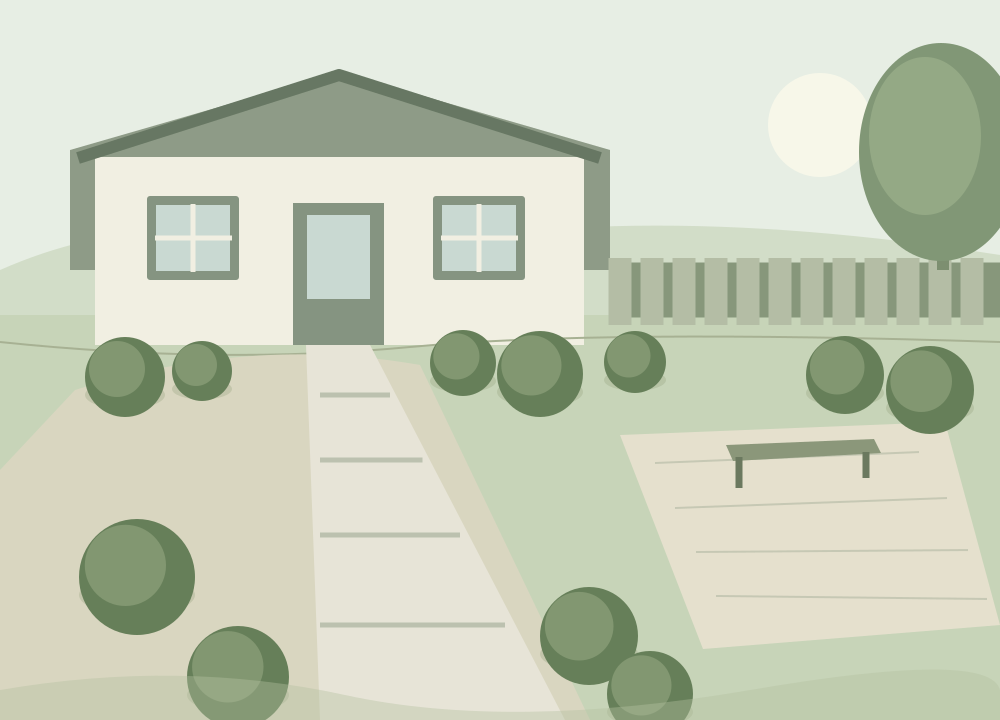
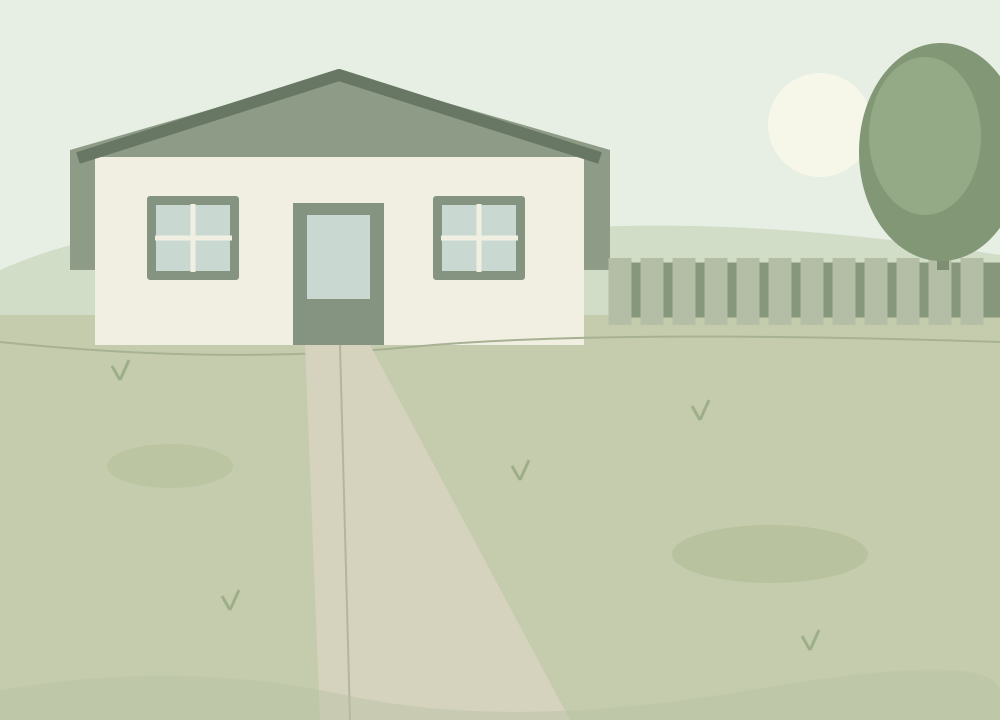
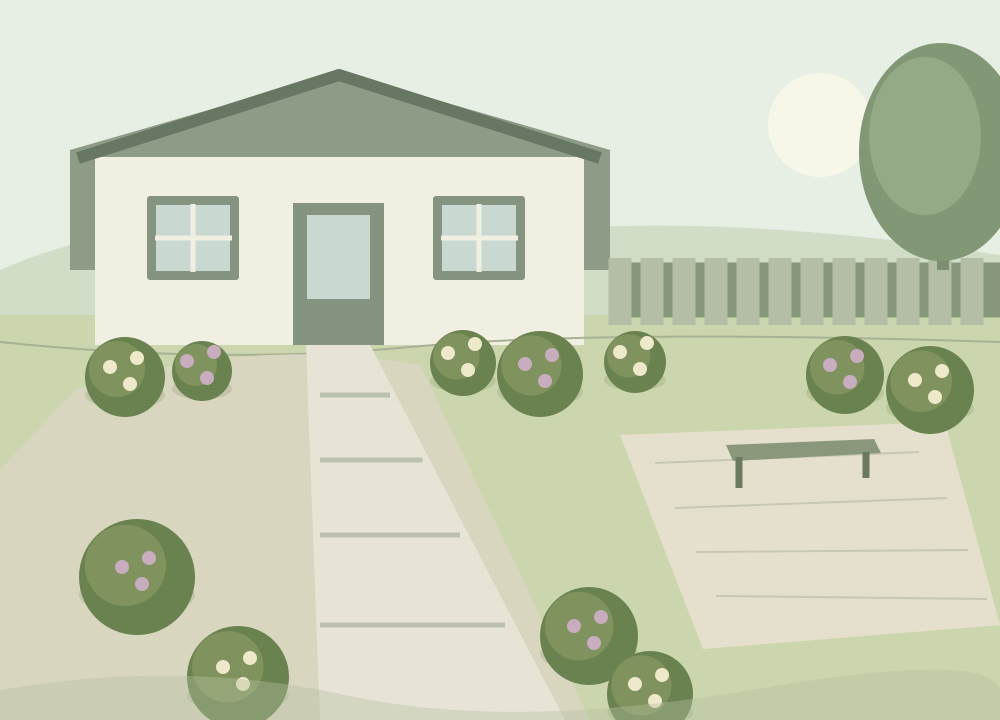
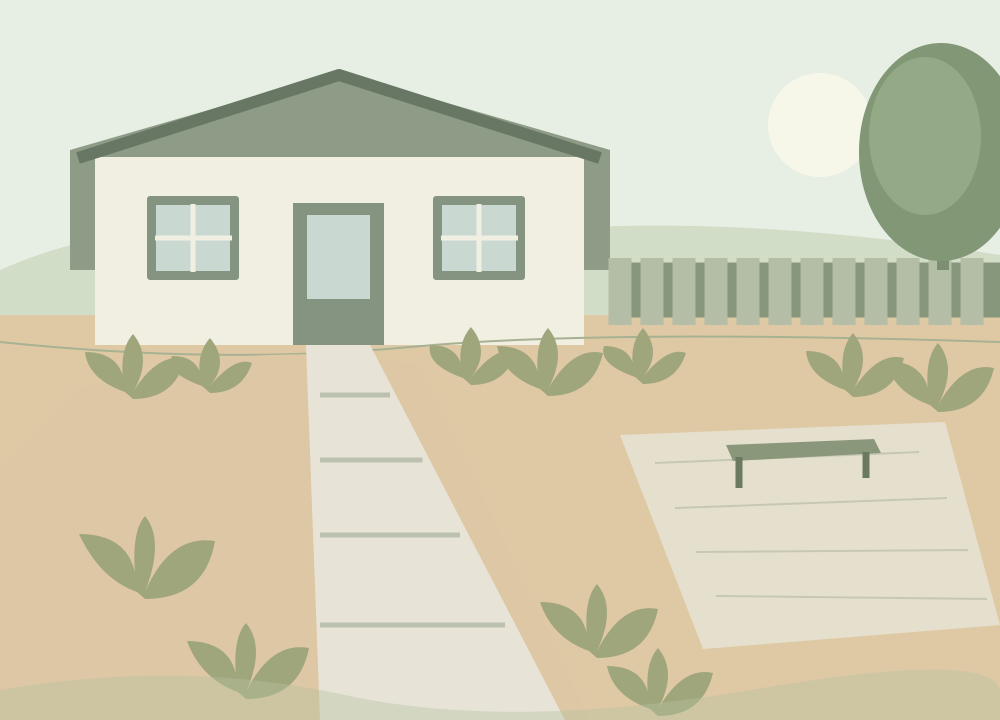
Sample placeholders show the comparison layout. Real project photos and generated results are still being prepared.
Audit the chores before changing the appearance
Write down the tasks that consume your time now, including the ones you postpone. Frequent hedge clipping, trimming around isolated objects, carrying a hose between distant pots, and clearing leaves from decorative gravel require different solutions. A new style will not automatically remove those jobs. Identify the task behind each frustration so you can change the feature that creates it.
Separate occasional work from repetitive work. Refreshing a bed edge once in a while may be acceptable, while weekly shaping may be exactly what you want to avoid. Decide whether you prefer a little regular attention or a few concentrated seasonal sessions. This choice will help you evaluate plants and materials more accurately than a broad promise that a garden is maintenance free.
Let mature plant size do more of the work
Choose shrubs that can keep their natural form inside the available space. A plant selected for the wrong width may need repeated cutting simply to keep a window, walk, or driveway usable. Measure the bed and compare it with the mature dimensions of the exact cultivar. Similar names and similar nursery sizes do not mean that two plants will grow into the same shape.
Use repeated groups where conditions are consistent, but avoid forcing a single plant across incompatible areas. A shaded corner and a hot street edge can require different choices even when a continuous hedge looks appealing. The practical target is a planting arrangement that does not need constant correction. Check regional disease and invasive-species guidance before settling on a widely marketed easy-care plant.
Simplify the relationship between lawn and beds
Look for small grass fragments, sharp inside corners, and narrow strips that are difficult to mow. Redrawing a bed edge can sometimes reduce awkward work while preserving the open area you enjoy. Test the outline with a hose and walk the route your mower or other maintenance equipment would take. Keep the curves broad enough to make sense for the equipment you actually use.
Replacing lawn changes the kind of maintenance rather than eliminating it. A planted bed needs establishment, weed management, and eventual pruning or division. Loose gravel can collect fallen leaves and displaced soil. Decide which tasks you prefer before making the conversion. Retain lawn where it serves a genuine use and is appropriate to local conditions; remove it where it has become an inconvenient remnant.
Organize watering and seasonal care
Group plants with compatible moisture needs and keep the watering arrangement understandable. A thirsty container tucked into an otherwise dry border can create a separate daily chore. Choose accessible locations for any plants that need more attention, and make sure hoses and irrigation components can be inspected without pushing through dense growth. Simplicity in the layout should extend to the maintenance routine.
New planting still requires care while roots establish. Colorado State University Extension stresses establishment watering even for woody plants selected for reduced water use. Follow local and plant-specific guidance rather than copying a fixed schedule from a photograph or another climate. Inspect the soil and the plants, adjust for weather, and record recurring problems instead of repeatedly replacing a struggling plant without changing its conditions.
Keep the public-facing finish straightforward
Choose a small number of durable-looking details that you can maintain: a readable entry, an accessible bed edge, and planting with a clear outline. Avoid adding many separate pots, tiny ornamental objects, or elaborate clipped shapes if upkeep is the concern driving the project. A quiet design is easier to keep coherent when an individual plant needs replacing or a household routine changes.
Plan a short seasonal review of access, plant size, weeds, irrigation, and damaged surfaces. That inspection is more useful than assuming the design will manage itself. The sample scheme on this page is a starting point for discussion, not a personal maintenance forecast. Once you have a preferred concept, list the expected jobs and decide who will do them before purchasing. The right low-maintenance yard fits both the site and the gardener.
Plant candidates for zone 7b
This illustrative shortlist assumes zone 7b. These are climate-filtered candidates, not a planting prescription. Check sunlight, drainage, mature size, and local invasive-species guidance. Style matches are editorial suggestions.
| Plant | Type | USDA zones | Light | Mature height |
|---|---|---|---|---|
| Feather Reed GrassCalamagrostis x acutiflora | Grass | 4–11.5 | full sun, partial shade | 3–5 ft1–2 ft wide |
| Pennsylvania SedgeCarex pensylvanica | Grass | 3–8.5 | full sun, partial shade, full shade | 0.0833–0.6667 ft0.0833–1 ft wide |
| Pink Muhly GrassMuhlenbergia capillaris | Grass | 5–9.5 | full sun | 2–3 ft2.3333–3 ft wide |
| BearberryArctostaphylos uva-ursi | Groundcover | 3–7.5 | full sun, partial shade | 0.5–1 ft3–6 ft wide |
| Cloud-loving Hardy Ice PlantDelosperma nubigenum | Groundcover | 6–9.5 | full sun, partial shade | 0.1667–0.25 ft0.75–3 ft wide |
| Green and GoldChrysogonum virginianum | Groundcover | 5–9.5 | partial shade, full shade | 0.0833–0.1667 ft1–2 ft wide |
| Christmas FernPolystichum acrostichoides | Perennial | 3–9.5 | partial shade, full shade | 1–3 ft1–3 ft wide |
| Devil's TongueOpuntia humifusa | Perennial | 4–9.5 | full sun | 0.5–1 ft1–1.5 ft wide |
| Purple ConeflowerEchinacea purpurea | Perennial | 3–8.5 | full sun, partial shade | 3–4 ft1–2 ft wide |
| Creeping JuniperJuniperus horizontalis | Shrub | 3–9.5 | full sun | 0.5–1.5 ft4–10 ft wide |
| Glossy AbeliaAbelia x grandiflora | Shrub | 6–9.5 | full sun, partial shade | 2.5–8 ft3–6 ft wide |
| InkberryIlex glabra | Shrub | 4–11.5 | full sun, partial shade | 5–10 ft5–8 ft wide |
| American HollyIlex opaca | Tree | 5–9.5 | full sun, partial shade | 40–60 ft10–20 ft wide |
| Eastern White PinePinus strobus | Tree | 3–8.5 | full sun, partial shade | 50–80 ft20–40 ft wide |
| Red MapleAcer rubrum | Tree | 2–9.5 | full sun, partial shade | 40–120 ft30–50 ft wide |
| Willow OakQuercus phellos | Tree | 5–9.5 | full sun, partial shade | 40–75 ft25–50 ft wide |
Zone numbers ending in .5 mean the b half-zone; whole numbers mean the a half-zone. A matching cold range does not guarantee local suitability. Missing facts are shown as not verified.
A rough material budget, made visible
Illustrative 400 sq ft yard: 200 sq ft of mulched beds, 80 sq ft of paving, and 120 sq ft retained. Plant quantities below are example assumptions. This is a worked example; get local quotes for your own project.
| Material | Quantity | Unit range | Subtotal |
|---|---|---|---|
| 1-gallon perennial | 12 plants | $8–$15 | $96–$180 |
| 3-gallon shrub | 4 plants | $25–$45 | $100–$180 |
| Mulch | 200 sq ft | $0.20–$0.60 | $40–$120 |
| Paving material | 80 sq ft | $1–$25 | $80–$2,000 |
| Illustrative total | $316–$2,480 | ||
Rough estimate, not a quote. Excludes labor, tax, delivery, demolition, soil preparation, permits, and irrigation. Supplied planning ranges have not been independently price-verified for your location. Plant-price reference · Material-price reference. Confirm current supplier quotes before purchasing.
Questions about low maintenance front yard landscaping
Is a gravel front yard maintenance free?
No. Gravel can accumulate leaves, soil, and weeds, and its edges may need attention. Compare those tasks with the lawn or planting care you intend to replace.
What is the first step toward less front yard upkeep?
Identify the specific recurring jobs you want to reduce. Then change the bed shape, plant size, watering arrangement, or material that creates each job.
Do drought-tolerant plants need watering after planting?
Often yes, particularly during establishment. Follow local guidance for the species, soil, and weather rather than assuming drought tolerance means no irrigation.
Should I remove all of my lawn?
Not automatically. Keep useful lawn where it suits the site and your routine; reconsider narrow, unused, or difficult-to-maintain portions.
Can a low-maintenance garden still have seasonal flowers?
Yes. Use flowers in a manageable area and understand their care requirements. A restrained seasonal accent can fit within a simpler permanent planting framework.
Sources and further reading
- University of Arizona Cooperative Extension: Choosing the Right Plants
- Colorado State University Extension: Xeriscaping Trees and Shrubs
Original editorial guide. Examples are illustrative; check site-specific conditions with your local extension service.