Picture the possibilities
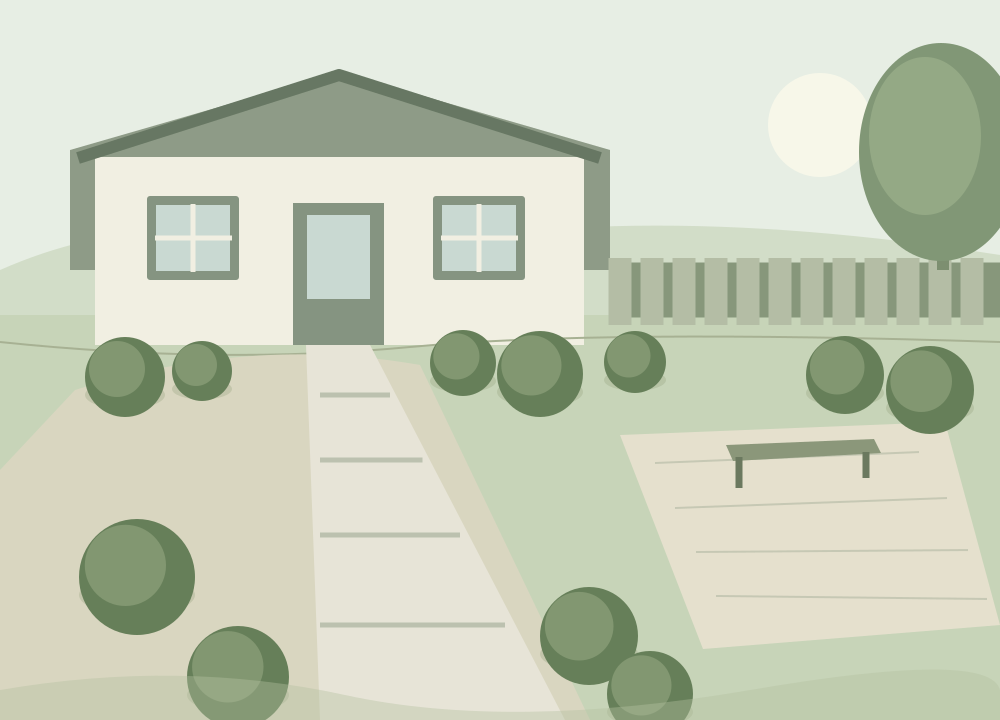
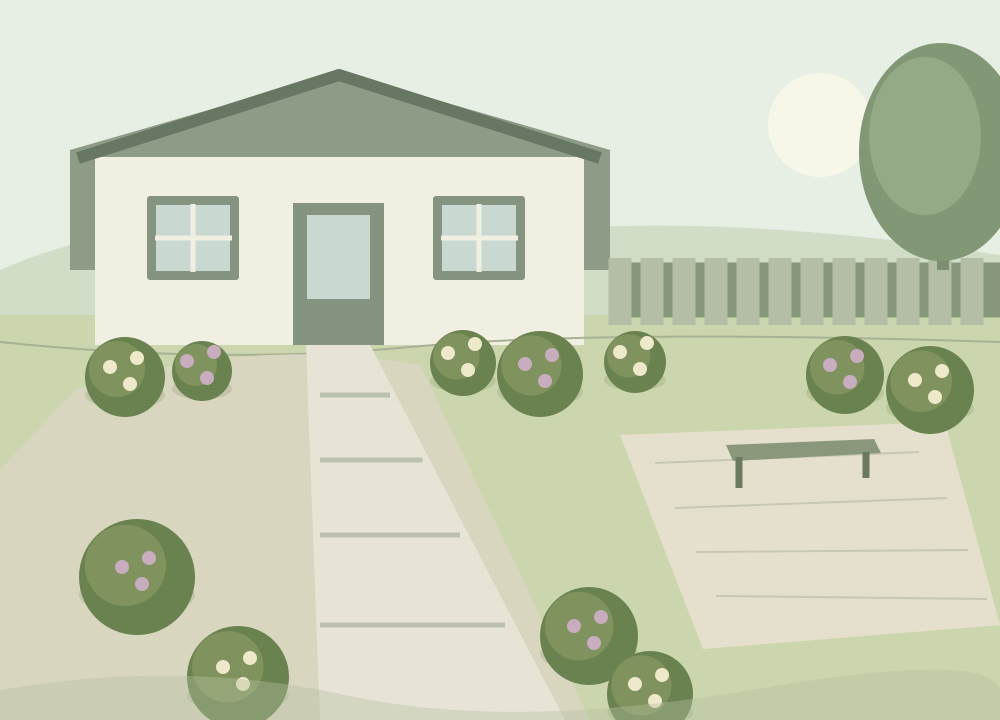
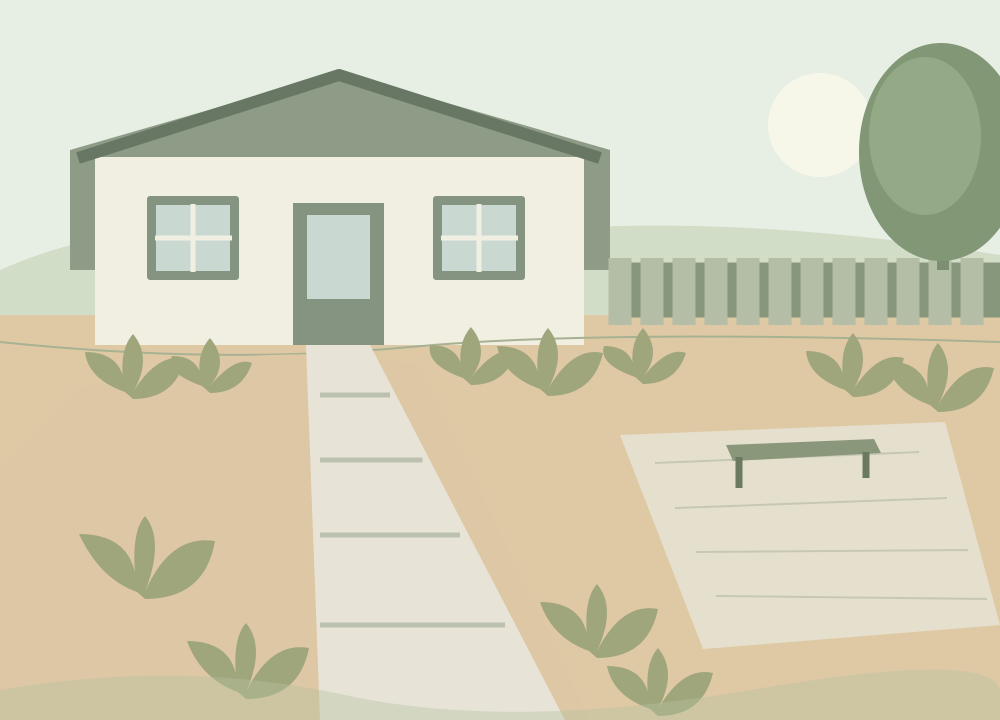
Sample placeholders show the comparison layout. Real project photos and generated results are still being prepared.
Begin with the colder half of zone 7
The letter matters when comparing a map result with a plant description. Zone 7a is the colder half of zone 7, while 7b occupies the next five-degree band. Keep the full label in your notes instead of shortening everything to zone 7. For plants near their stated limit, ask a regional expert about the exact cultivar and how it performs in a location like yours.
The cold band is an average reference, so combine it with practical observation. Record the places that receive drying wind, the pockets that stay damp, and the beds exposed when neighboring trees lose their leaves. This makes the shortlist more specific. A plant intended to anchor a front entrance needs a different level of confidence than an experimental accent in a protected corner.
Account for exposure beside paths and boundaries
Winter conditions involve more than the lowest air temperature. University of Minnesota Extension describes how sun, wind, snow, and deicing salts can affect woody plants. Use those categories to inspect the actual site rather than assuming every winter problem is caused by choosing the wrong zone. An exposed evergreen beside a treated walkway may face a different challenge from the same plant in a sheltered bed.
Keep snow-storage and maintenance routes visible in the plan where they are relevant. Plants should not occupy every space that appears empty during the growing season. If the route to the door or garage needs regular clearing, choose the bed outline and planting position accordingly. This is a layout decision that is easier to address before installation than after repeated damage appears.
Create a sequence from early growth to winter structure
Choose the larger framework with the quiet season in mind, then build the flowering layers around it. Ask what remains visible after deciduous leaves fall and perennials die back. Branching, suitable evergreen foliage, and the shape of the beds can keep the garden coherent. You can accept seasonal gaps when they are part of an intentional composition rather than a surprise.
For the perennial layer, compare the time of flowering with the role of the foliage. Repeated groups can connect one seasonal moment to the next. Avoid purchasing every candidate at its nursery peak and expecting that combined display to continue all year. Keep a simple calendar and revise it as your local observations reveal when each plant actually contributes.
Treat soil and planting position as design inputs
Observe the ground after ordinary rainfall and note where water remains, drains quickly, or arrives from another part of the property. A cold-hardy candidate still needs a suitable root environment. Resolve persistent drainage questions with local advice before selecting a plant simply because its label includes 7a. A decorative top layer does not tell you what conditions the roots will encounter.
Match mature height and width to the available room, including the space needed for maintenance. Choose by the exact botanical name and cultivar where applicable. A narrow bed may need fewer plants or a different role, not a miniature version of every layer in a large garden. Let the physical dimensions guide the composition so the long-term result does not rely on constant correction.
Use the shortlist to make a careful purchase
The example plant table screens the library for a recorded hardiness range that includes this zone. Review the remaining columns and check regional invasive-species guidance before turning it into a shopping list. Ask a local supplier about plant health, establishment needs, and the specific location you have prepared. Bring your site notes so the conversation goes beyond whether the tag says zone 7.
Start with the structural decisions and a manageable area of supporting planting. Keep records of the exact plants and the conditions in which they were placed. If a plant struggles, investigate the cause before repeating the purchase. The guide is a planning aid rather than an inspection of your garden; the official USDA map and local extension advice can help resolve the remaining questions.
Plant candidates for zone 7a
This page uses zone 7a. These are climate-filtered candidates, not a planting prescription. Check sunlight, drainage, mature size, and local invasive-species guidance. Style matches are editorial suggestions.
| Plant | Type | USDA zones | Light | Mature height |
|---|---|---|---|---|
| Blue FescueFestuca glauca | Grass | 4–8.5 | full sun, partial shade | 0.75–1 ft1–1.5 ft wide |
| Feather Reed GrassCalamagrostis x acutiflora | Grass | 4–11.5 | full sun, partial shade | 3–5 ft1–2 ft wide |
| Japanese Forest GrassHakonechloa macra | Grass | 5–9.5 | partial shade, full shade | 1–1.5 ft1–2 ft wide |
| BearberryArctostaphylos uva-ursi | Groundcover | 3–7.5 | full sun, partial shade | 0.5–1 ft3–6 ft wide |
| Cloud-loving Hardy Ice PlantDelosperma nubigenum | Groundcover | 6–9.5 | full sun, partial shade | 0.1667–0.25 ft0.75–3 ft wide |
| Creeping PhloxPhlox subulata | Groundcover | 3–9.5 | full sun | 0.3333–0.5 ft2–3 ft wide |
| Adam's Needle YuccaYucca filamentosa | Perennial | 4–10.5 | full sun, partial shade | 3–8 ft3–5 ft wide |
| American AlumrootHeuchera americana | Perennial | 4–9.5 | full sun, partial shade | 1–3 ft1–1.5 ft wide |
| Anise HyssopAgastache foeniculum | Perennial | 4–8.5 | full sun, partial shade | 3–5 ft1.5–3 ft wide |
| American BeautyberryCallicarpa americana | Shrub | 6–10.5 | full sun, partial shade | 3–8 ft3–6 ft wide |
| Arrowwood ViburnumViburnum dentatum | Shrub | 2–8.5 | full sun, partial shade | 5–10 ft6–10 ft wide |
| Bigleaf HydrangeaHydrangea macrophylla | Shrub | 6–11.5 | partial shade, full shade | 3–6 ft3–6 ft wide |
| American ArborvitaeThuja occidentalis | Tree | 3–7.5 | full sun, partial shade | 40–60 ft10–15 ft wide |
| American HollyIlex opaca | Tree | 5–9.5 | full sun, partial shade | 40–60 ft10–20 ft wide |
| Blue SprucePicea pungens | Tree | 2–7 | full sun, partial shade | 30–60 ft10–20 ft wide |
| Chinese JuniperJuniperus chinensis | Tree | 4–9.5 | full sun | 50–60 ft10–20 ft wide |
Zone numbers ending in .5 mean the b half-zone; whole numbers mean the a half-zone. A matching cold range does not guarantee local suitability. Missing facts are shown as not verified.
A rough material budget, made visible
Illustrative 400 sq ft yard: 200 sq ft of mulched beds, 80 sq ft of paving, and 120 sq ft retained. Plant quantities below are example assumptions. This is a worked example; get local quotes for your own project.
| Material | Quantity | Unit range | Subtotal |
|---|---|---|---|
| 1-gallon perennial | 12 plants | $8–$15 | $96–$180 |
| 3-gallon shrub | 4 plants | $25–$45 | $100–$180 |
| Mulch | 200 sq ft | $0.20–$0.60 | $40–$120 |
| Paving material | 80 sq ft | $1–$25 | $80–$2,000 |
| Illustrative total | $316–$2,480 | ||
Rough estimate, not a quote. Excludes labor, tax, delivery, demolition, soil preparation, permits, and irrigation. Supplied planning ranges have not been independently price-verified for your location. Plant-price reference · Material-price reference. Confirm current supplier quotes before purchasing.
Questions about zone 7a plants
What temperature range is associated with zone 7a?
USDA zone 7a represents 0 to 5 degrees Fahrenheit in average annual extreme minimum winter temperature.
Can a zone 7b plant automatically be used in zone 7a?
Check the full hardiness range of the exact plant. Zone 7a is colder, so a recommendation limited to 7b needs further local verification.
Why might an evergreen struggle even when its zone matches?
Exposure, moisture, winter wind, salts, and other site conditions may matter. Review the actual location and plant care with a knowledgeable local source.
How should I plan a bed near a cleared walkway?
Allow for access and any relevant snow-storage or deicing practices. Choose the bed outline and plant position with that seasonal use in mind.
What should I verify before buying from the sample list?
Confirm the botanical identity, cultivar, mature size, light, water, soil requirements, and regional suitability for the position you intend to plant.
Sources and further reading
- USDA: National Map and Temperature Legend
- University of Minnesota Extension: Protecting Trees and Shrubs in Winter
- NC State Extension: Landscape Design
Original editorial guide. Examples are illustrative; check site-specific conditions with your local extension service.