Picture the possibilities
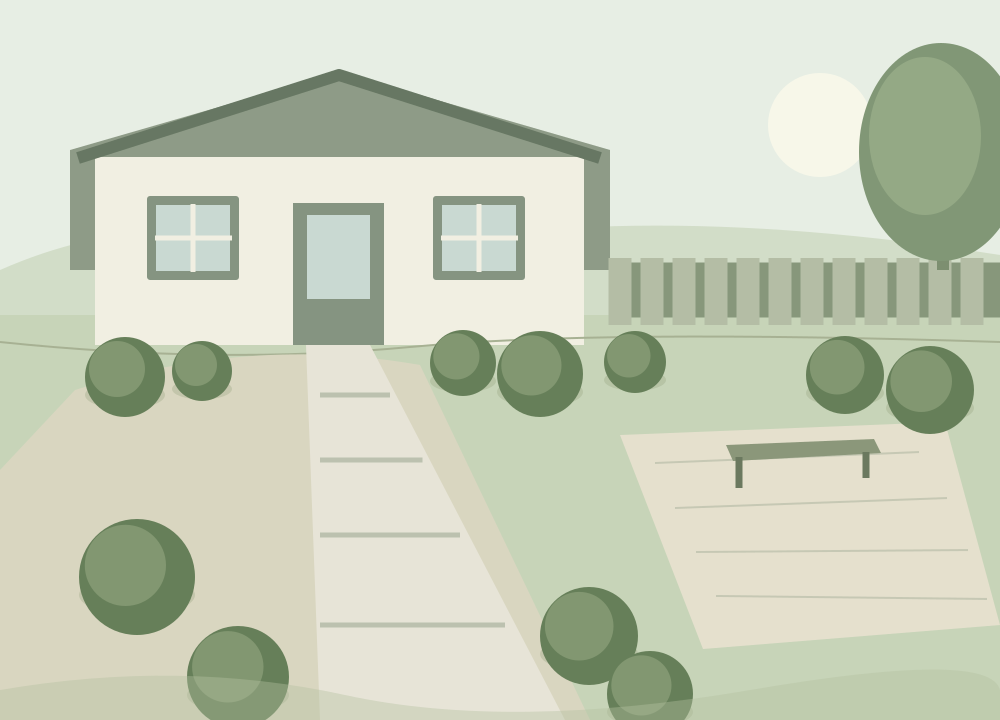
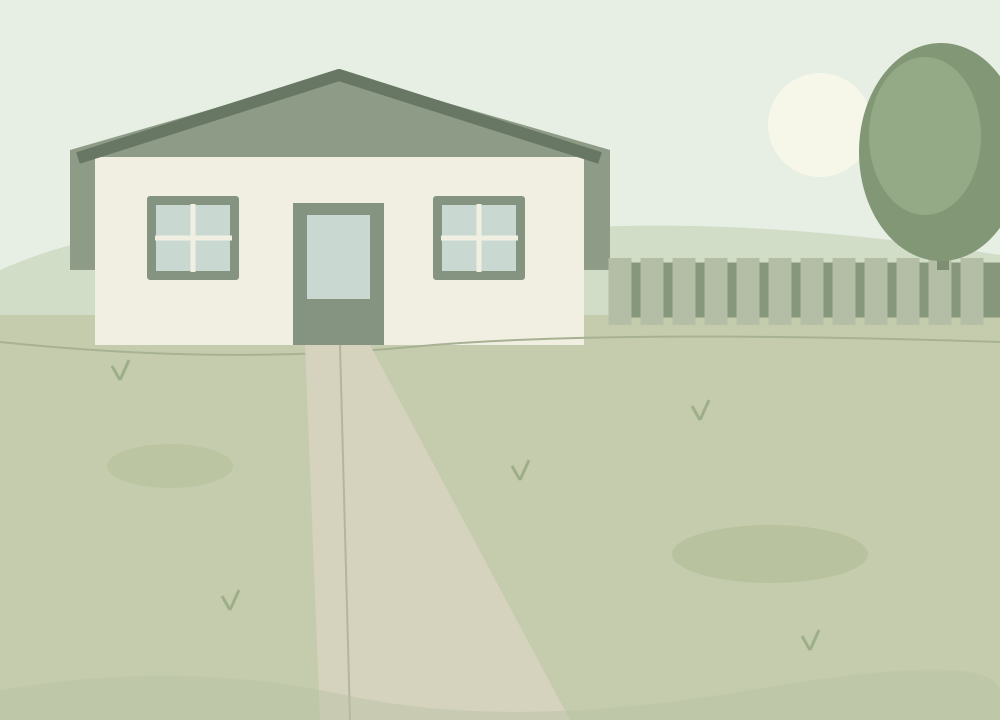
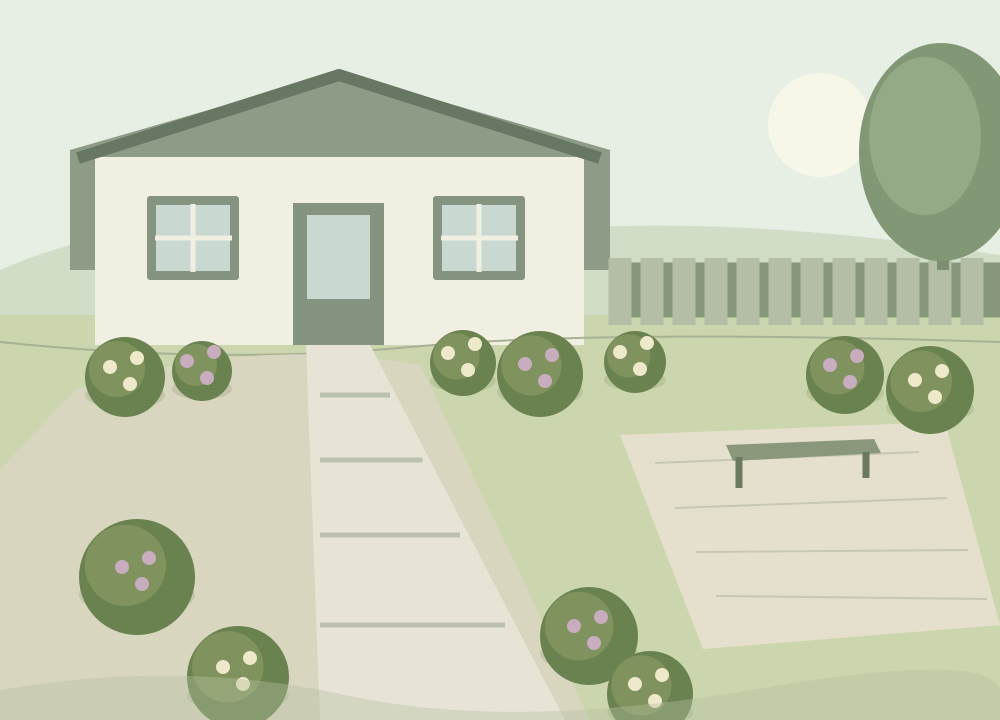
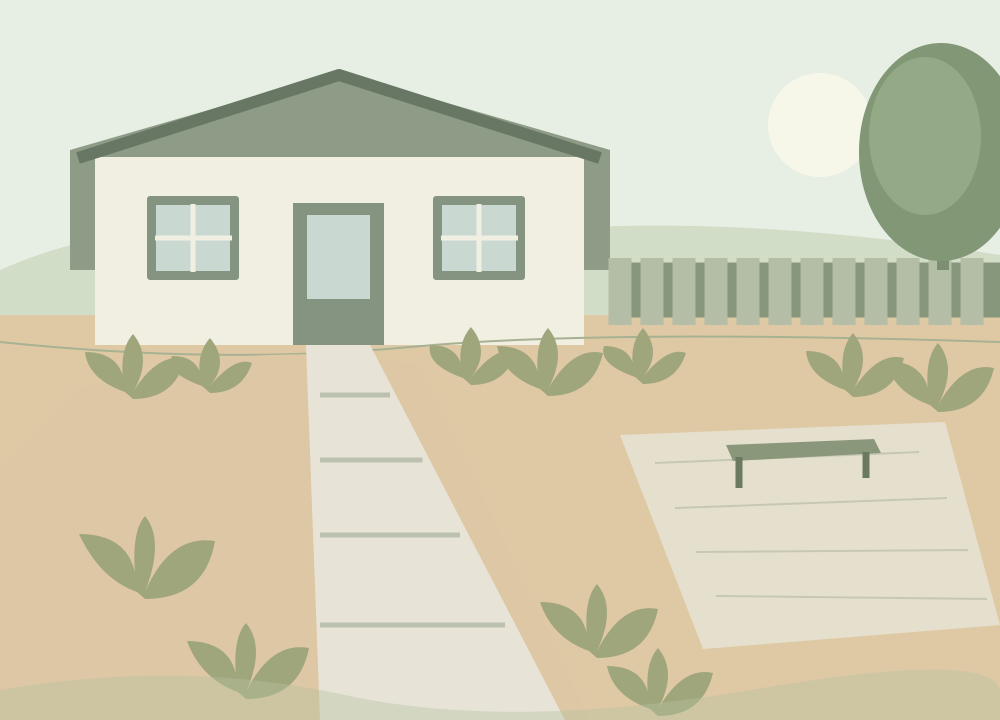
Sample placeholders show the comparison layout. Real project photos and generated results are still being prepared.
Treat the warm-winter label as one useful clue
The USDA zone identifies a winter temperature band, not a complete regional growing profile. Two gardens in 9b may differ greatly in humidity, summer rain, wind, and the heat stored by surrounding surfaces. Begin a plant search with the zone, then describe those local conditions in ordinary language. A plant selected for a dry courtyard may not belong in a damp, sheltered border sharing the same map label.
Keep the role of the plant explicit. A permanent screening shrub must remain useful through the conditions that occur every year, while a seasonal container can follow a different plan. Do not let a lush warm-climate photograph decide that role for you. A reliable composition begins by knowing which plants need to provide year-round structure and which can be treated as changing accents.
Separate heat exposure from the amount of sunlight
Observe the places beside paving, walls, and driveways at the time they are hottest. Reflected exposure can make a planting location more demanding than the same hours of sunlight in an open bed. The University of Arizona's site guidance makes this distinction, and it is useful when asking a nursery for advice. Describe the surfaces around the bed, not just the direction it faces.
Consider where people will need shade as well as where plants will receive it. A future canopy may change the light available to everything beneath it, so choose the supporting planting with that transition in mind. Avoid installing a full-sun arrangement that depends on the proposed shade tree remaining small. A phased underplanting plan can be more coherent than replacing incompatible plants later.
Plan around the local pattern of moisture
Record whether the difficult period is a dry summer, heavy seasonal rain, or a combination of both. Observe where water lingers and how irrigation reaches the beds. Plants associated with dry landscapes are not automatically suited to wet roots, and a plant that survives warm winters may still struggle when the moisture pattern does not match its needs.
Group compatible plants so their care can be adjusted together. Keep containers, higher-care accents, and drier borders understandable as separate parts of the routine when appropriate. Ask for local establishment guidance rather than using the same schedule for every newly planted specimen. A warm climate can encourage the impression that plants settle immediately, but the first period after planting still deserves observation and deliberate care.
Use the table to organize a mixed landscape
The example table is filtered by the recorded cold-hardiness ranges in the plant library. Read it as a set of candidates across different plant types. Start with the largest role you need, such as a tree or substantial shrub, and check its eventual footprint against the measured space. Then choose lower layers that work with the light and root environment that larger plant will create.
Check botanical names and cultivars with a local source before buying. Also review regional invasive-species guidance, because a plant's availability for sale does not settle its suitability for every area. Keep the selection focused on the design role: a screen, a flowering accent, or a ground-level connection. You do not need to use every plant in the example to make a coherent garden.
Prepare for seasonal changes and occasional cold
A zone 9b label does not mean the garden never experiences cold weather. Think through which plants remain outdoors, which containers can practically be moved, and what local advice applies to a newly established specimen. The cost and effort of maintaining a borderline plant should be considered before it becomes the central feature of the design.
Review the garden in its least comfortable season, not only when it looks most abundant. Notice irrigation access, shade, fallen material, and the way furniture relates to growing plants. The page's zone example is a planning aid; it does not inspect your property. Use the official map and regional guidance to refine the shortlist, then build a measured layout that can remain useful as the plants reach maturity.
Plant candidates for zone 9b
This page uses zone 9b. These are climate-filtered candidates, not a planting prescription. Check sunlight, drainage, mature size, and local invasive-species guidance. Style matches are editorial suggestions.
| Plant | Type | USDA zones | Light | Mature height |
|---|---|---|---|---|
| Feather Reed GrassCalamagrostis x acutiflora | Grass | 4–11.5 | full sun, partial shade | 3–5 ft1–2 ft wide |
| Japanese Forest GrassHakonechloa macra | Grass | 5–9.5 | partial shade, full shade | 1–1.5 ft1–2 ft wide |
| Little BluestemSchizachyrium scoparium | Grass | 3–9.5 | full sun | 2–4 ft1.5–3 ft wide |
| Cloud-loving Hardy Ice PlantDelosperma nubigenum | Groundcover | 6–9.5 | full sun, partial shade | 0.1667–0.25 ft0.75–3 ft wide |
| Creeping PhloxPhlox subulata | Groundcover | 3–9.5 | full sun | 0.3333–0.5 ft2–3 ft wide |
| Creeping StonecropPhedimus spurius | Groundcover | 3–9.5 | partial shade | 0.1667–0.5 ft2–3 ft wide |
| Adam's Needle YuccaYucca filamentosa | Perennial | 4–10.5 | full sun, partial shade | 3–8 ft3–5 ft wide |
| American AlumrootHeuchera americana | Perennial | 4–9.5 | full sun, partial shade | 1–3 ft1–1.5 ft wide |
| August LilyHosta plantaginea | Perennial | 3–9.5 | full sun, partial shade, full shade | 1–2 ft3–4 ft wide |
| American BeautyberryCallicarpa americana | Shrub | 6–10.5 | full sun, partial shade | 3–8 ft3–6 ft wide |
| Bigleaf HydrangeaHydrangea macrophylla | Shrub | 6–11.5 | partial shade, full shade | 3–6 ft3–6 ft wide |
| Chinese Fringe FlowerLoropetalum chinense | Shrub | 7.5–9.5 | full sun, partial shade | 6–8 ft6–8 ft wide |
| American HollyIlex opaca | Tree | 5–9.5 | full sun, partial shade | 40–60 ft10–20 ft wide |
| Chinese JuniperJuniperus chinensis | Tree | 4–9.5 | full sun | 50–60 ft10–20 ft wide |
| Crape MyrtleLagerstroemia indica | Tree | 6–9.5 | full sun | 6–30 ft6–30 ft wide |
| Deodar CedarCedrus deodara | Tree | 7–9.5 | full sun, partial shade | 30–50 ft30–40 ft wide |
Zone numbers ending in .5 mean the b half-zone; whole numbers mean the a half-zone. A matching cold range does not guarantee local suitability. Missing facts are shown as not verified.
A rough material budget, made visible
Illustrative 400 sq ft yard: 200 sq ft of mulched beds, 80 sq ft of paving, and 120 sq ft retained. Plant quantities below are example assumptions. This is a worked example; get local quotes for your own project.
| Material | Quantity | Unit range | Subtotal |
|---|---|---|---|
| 1-gallon perennial | 12 plants | $8–$15 | $96–$180 |
| 3-gallon shrub | 4 plants | $25–$45 | $100–$180 |
| Mulch | 200 sq ft | $0.20–$0.60 | $40–$120 |
| Paving material | 80 sq ft | $1–$25 | $80–$2,000 |
| Illustrative total | $316–$2,480 | ||
Rough estimate, not a quote. Excludes labor, tax, delivery, demolition, soil preparation, permits, and irrigation. Supplied planning ranges have not been independently price-verified for your location. Plant-price reference · Material-price reference. Confirm current supplier quotes before purchasing.
Questions about zone 9b plants
What temperatures define USDA zone 9b?
Zone 9b corresponds to 25 to 30 degrees Fahrenheit in average annual extreme minimum winter temperature on the USDA map.
Does zone 9b mean a frost-free garden?
No. The zone summarizes winter extremes over a reference period. Follow local weather and plant-specific guidance for seasonal care.
Can the same zone 9b plant list work in dry and humid regions?
Some candidates may overlap, but moisture pattern, heat, soil, and regional performance need separate checks. Use the zone list as a starting point.
Why might a plant struggle beside a hot wall?
Reflected heat and the surrounding surface conditions can add stress beyond the number of sun hours. Describe that exposure when seeking local plant advice.
Are all plants in the table suitable for a desert garden?
No. The table is filtered for cold hardiness. A desert planting choice also needs appropriate heat, water, soil, and local suitability.
Sources and further reading
- USDA: National Map and Temperature Legend
- University of Arizona Cooperative Extension: Choosing the Right Plants
- University of Arizona Cooperative Extension: Drought and Extreme Heat
Original editorial guide. Examples are illustrative; check site-specific conditions with your local extension service.