Picture the possibilities
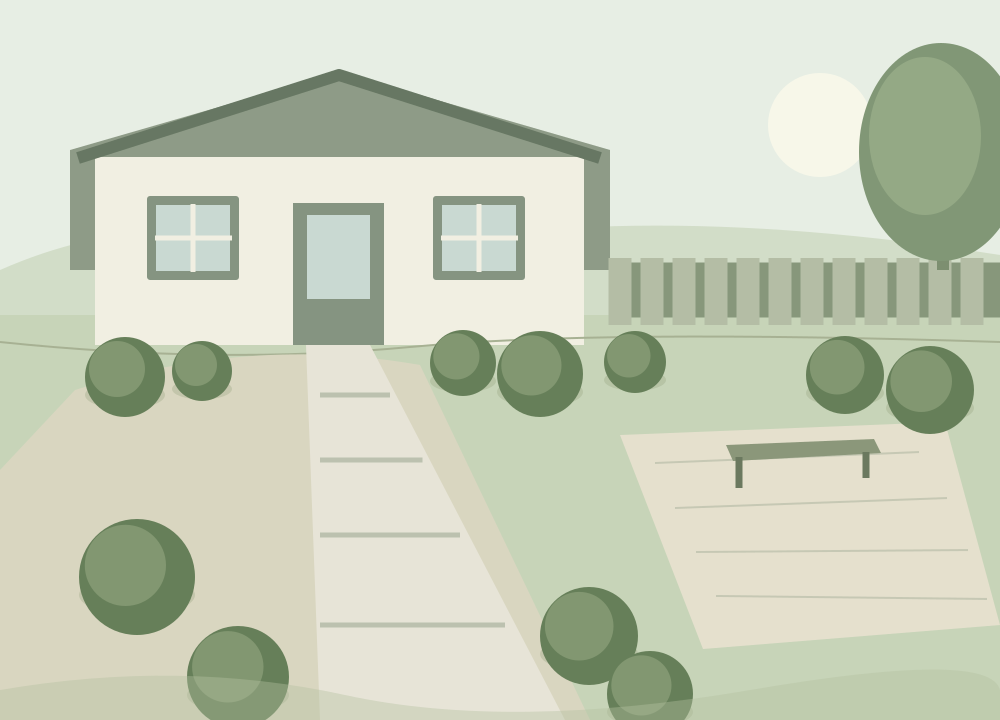
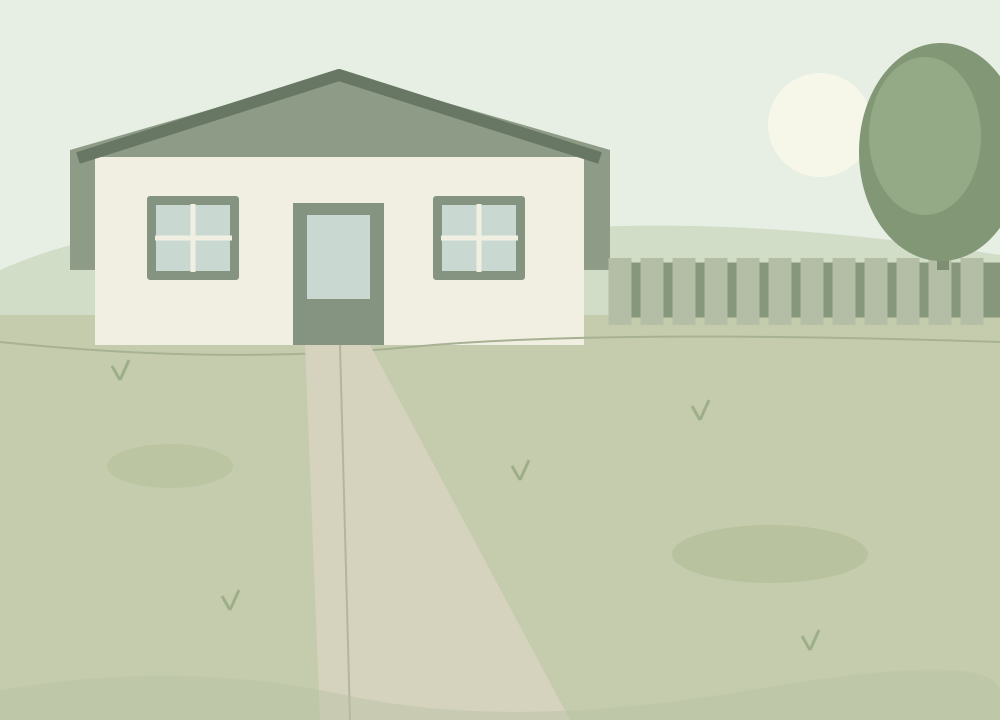
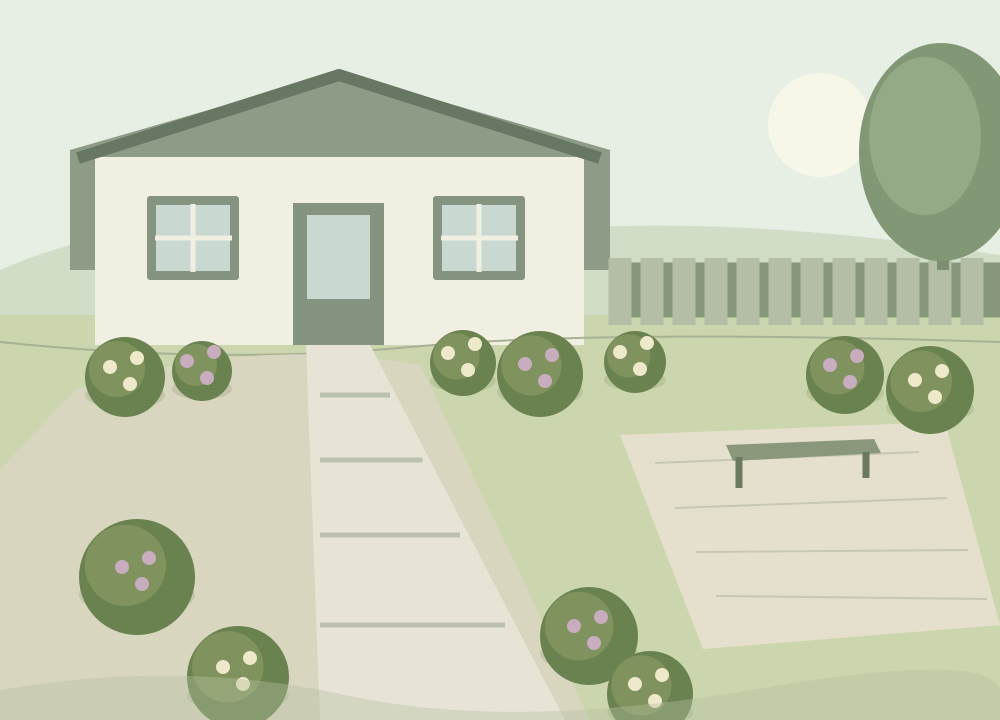
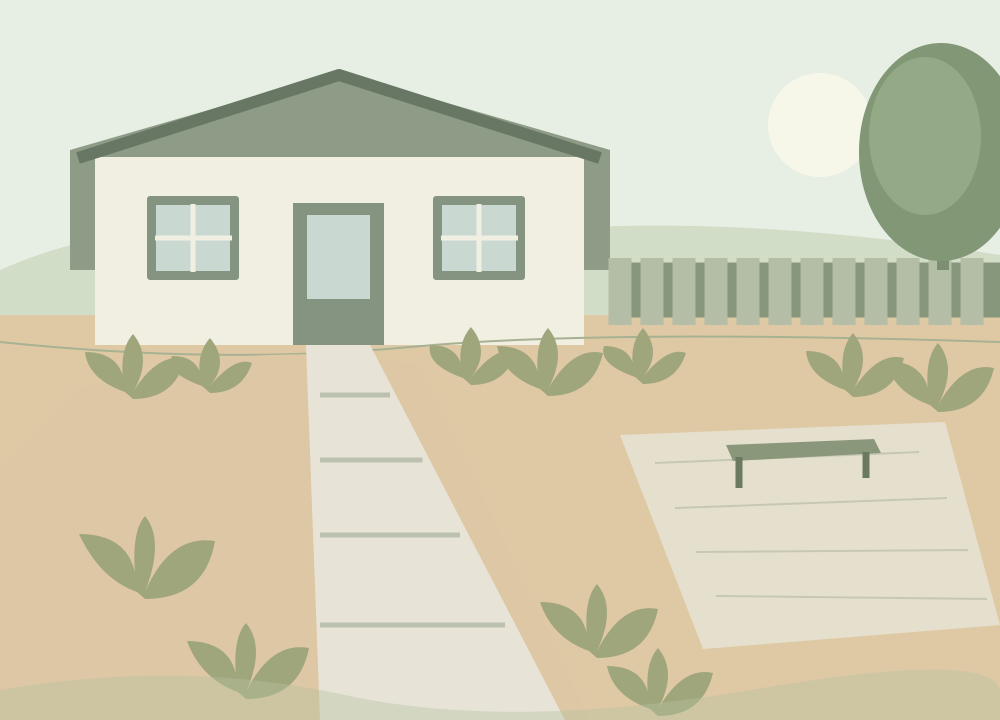
Sample placeholders show the comparison layout. Real project photos and generated results are still being prepared.
Design the approach before the decorative details
Walk from the sidewalk, driveway, and parking area to the front door as a visitor would. Notice whether the destination is obvious and whether the route feels comfortable when carrying bags or passing another person. A front yard can look attractive from the street while still making this short journey awkward. Solve that journey before deciding on flowers, containers, or accent lighting.
Sketch the door swing, porch steps, mailbox access, and the place a delivery is likely to be left. Keep the main route distinct from planting beds so visitors do not have to guess where to step. If several paths converge near the entry, let that meeting point shape the design. Decorative curves should have a reason; a direct route may be the calmer and more useful choice.
Give the house room to remain visible
Use planting to frame the architecture instead of treating every foundation edge as a space that must be filled. Identify the windows, house number, and entry features that should stay legible. A lower planting group near the door and a more substantial group farther away can create a welcoming balance without relying on identical shrubs along the entire facade.
Check the eventual width as carefully as the height of each plant. A small nursery container can conceal a large future shrub. Leave access for exterior maintenance, meters, hose connections, and other equipment according to the applicable requirements. An attractive picture is not evidence that a tight planting distance is appropriate for the building or utility. Retaining service access should be part of the drawing from the start.
Choose one organizing idea
A front yard usually benefits from a clear relationship between the house, the path, and the planting. Try a broad bed that follows the walk, two unequal planting groups that balance the entry, or a simple open area framed by deeper borders. Compare these arrangements on your measured sketch before adding a long list of plants. The bed shape should remain understandable even without flowers.
Repeat one material or planting character to connect separate areas. For example, a consistent edge detail can tie the driveway border to the entry bed, while repeated foliage can connect the two sides of a path. Keep the strongest accent near the place you want people to notice. Too many competing focal points can weaken the arrival experience even when each object is appealing alone.
Plan for the realities of the street edge
The public-facing part of a garden has practical pressures that an enclosed backyard may not share. Think about pedestrians, vehicle sightlines, snow storage where relevant, irrigation overspray, and the way a bin or stroller moves across the site. Keep a record of easements and local requirements before changing the edge near a street or sidewalk. Those checks belong to the actual property, not to a generic design image.
Evaluate exposure along each boundary. Reflected heat beside pavement, wind across an open corner, and shade from the house may call for different plant groups. The University of Arizona's plant-selection guidance distinguishes these site conditions, while USDA zones address only winter cold. Make a separate shortlist for each genuinely different area rather than expecting one favorite shrub to work everywhere.
Build a front yard you can keep looking intentional
Choose a maintenance standard before choosing a style. Crisp clipped forms require a different routine from a loosely planted border, and both still need observation and care. Keep edges accessible, place plants where their mature shape fits, and decide how you will handle seasonal cleanup. A modest planting scheme that receives consistent care can give a stronger result than a larger scheme that continually exceeds your time.
For a first phase, improve the entrance and one connected bed instead of scattering small changes across the whole frontage. Record the existing view and review the result from the street, the path, and inside the house. The sample visuals here are placeholders for future examples, so use the guide to develop a brief rather than to copy a finished installation. Confirm the final layout on site before buying materials.
Plant candidates for zone 7b
This illustrative shortlist assumes zone 7b. These are climate-filtered candidates, not a planting prescription. Check sunlight, drainage, mature size, and local invasive-species guidance. Style matches are editorial suggestions.
| Plant | Type | USDA zones | Light | Mature height |
|---|---|---|---|---|
| Blue FescueFestuca glauca | Grass | 4–8.5 | full sun, partial shade | 0.75–1 ft1–1.5 ft wide |
| Feather Reed GrassCalamagrostis x acutiflora | Grass | 4–11.5 | full sun, partial shade | 3–5 ft1–2 ft wide |
| Japanese Forest GrassHakonechloa macra | Grass | 5–9.5 | partial shade, full shade | 1–1.5 ft1–2 ft wide |
| BearberryArctostaphylos uva-ursi | Groundcover | 3–7.5 | full sun, partial shade | 0.5–1 ft3–6 ft wide |
| Cloud-loving Hardy Ice PlantDelosperma nubigenum | Groundcover | 6–9.5 | full sun, partial shade | 0.1667–0.25 ft0.75–3 ft wide |
| Creeping StonecropPhedimus spurius | Groundcover | 3–9.5 | partial shade | 0.1667–0.5 ft2–3 ft wide |
| Adam's Needle YuccaYucca filamentosa | Perennial | 4–10.5 | full sun, partial shade | 3–8 ft3–5 ft wide |
| Dense Blazing StarLiatris spicata | Perennial | 3–8.5 | full sun | 3–6 ft0.25–1.5 ft wide |
| Japanese Painted FernAthyrium niponicum | Perennial | 4–9.5 | partial shade, full shade | 1.5–2 ft1.5–2 ft wide |
| Chinese Fringe FlowerLoropetalum chinense | Shrub | 7.5–9.5 | full sun, partial shade | 6–8 ft6–8 ft wide |
| Common BoxwoodBuxus sempervirens | Shrub | 5–8.5 | full sun, partial shade | 5–20 ft5–15 ft wide |
| Creeping JuniperJuniperus horizontalis | Shrub | 3–9.5 | full sun | 0.5–1.5 ft4–10 ft wide |
| American ArborvitaeThuja occidentalis | Tree | 3–7.5 | full sun, partial shade | 40–60 ft10–15 ft wide |
| Chinese JuniperJuniperus chinensis | Tree | 4–9.5 | full sun | 50–60 ft10–20 ft wide |
| Crape MyrtleLagerstroemia indica | Tree | 6–9.5 | full sun | 6–30 ft6–30 ft wide |
| GinkgoGinkgo biloba | Tree | 3–9.5 | full sun | 50–80 ft30–40 ft wide |
Zone numbers ending in .5 mean the b half-zone; whole numbers mean the a half-zone. A matching cold range does not guarantee local suitability. Missing facts are shown as not verified.
A rough material budget, made visible
Illustrative 400 sq ft yard: 200 sq ft of mulched beds, 80 sq ft of paving, and 120 sq ft retained. Plant quantities below are example assumptions. This is a worked example; get local quotes for your own project.
| Material | Quantity | Unit range | Subtotal |
|---|---|---|---|
| 1-gallon perennial | 12 plants | $8–$15 | $96–$180 |
| 3-gallon shrub | 4 plants | $25–$45 | $100–$180 |
| Mulch | 200 sq ft | $0.20–$0.60 | $40–$120 |
| Paving material | 80 sq ft | $1–$25 | $80–$2,000 |
| Illustrative total | $316–$2,480 | ||
Rough estimate, not a quote. Excludes labor, tax, delivery, demolition, soil preparation, permits, and irrigation. Supplied planning ranges have not been independently price-verified for your location. Plant-price reference · Material-price reference. Confirm current supplier quotes before purchasing.
Questions about front yard landscaping ideas
What should I change first in an uninviting front yard?
Begin with the route to the entrance and any access problems. Then identify the plants or structures worth retaining and design one coherent bed or planting group around them.
Do foundation plants need to form a continuous hedge?
No. Groups with intentional gaps can frame the house while preserving windows and maintenance access. Choose the arrangement that suits the facade and mature plant sizes.
How do I make a front yard look more cohesive?
Repeat a limited set of materials or plant forms and keep one clear point of emphasis. Review the outline of the beds before adding decorative objects.
Can I use the same plants along the driveway and under a tree?
Only if their growing requirements suit both places. Pavement exposure and tree shade can create very different light, moisture, and root conditions.
Are the plant and budget examples a recommendation for my property?
No. They show an example format. Your final selections and quantities require measurements, local suitability checks, and current supplier information.
Sources and further reading
- NC State Extension: Landscape Design
- University of Arizona Cooperative Extension: Choosing the Right Plants
- USDA: How to Use the Plant Hardiness Zone Map
Original editorial guide. Examples are illustrative; check site-specific conditions with your local extension service.